Markets LiveE-Paper


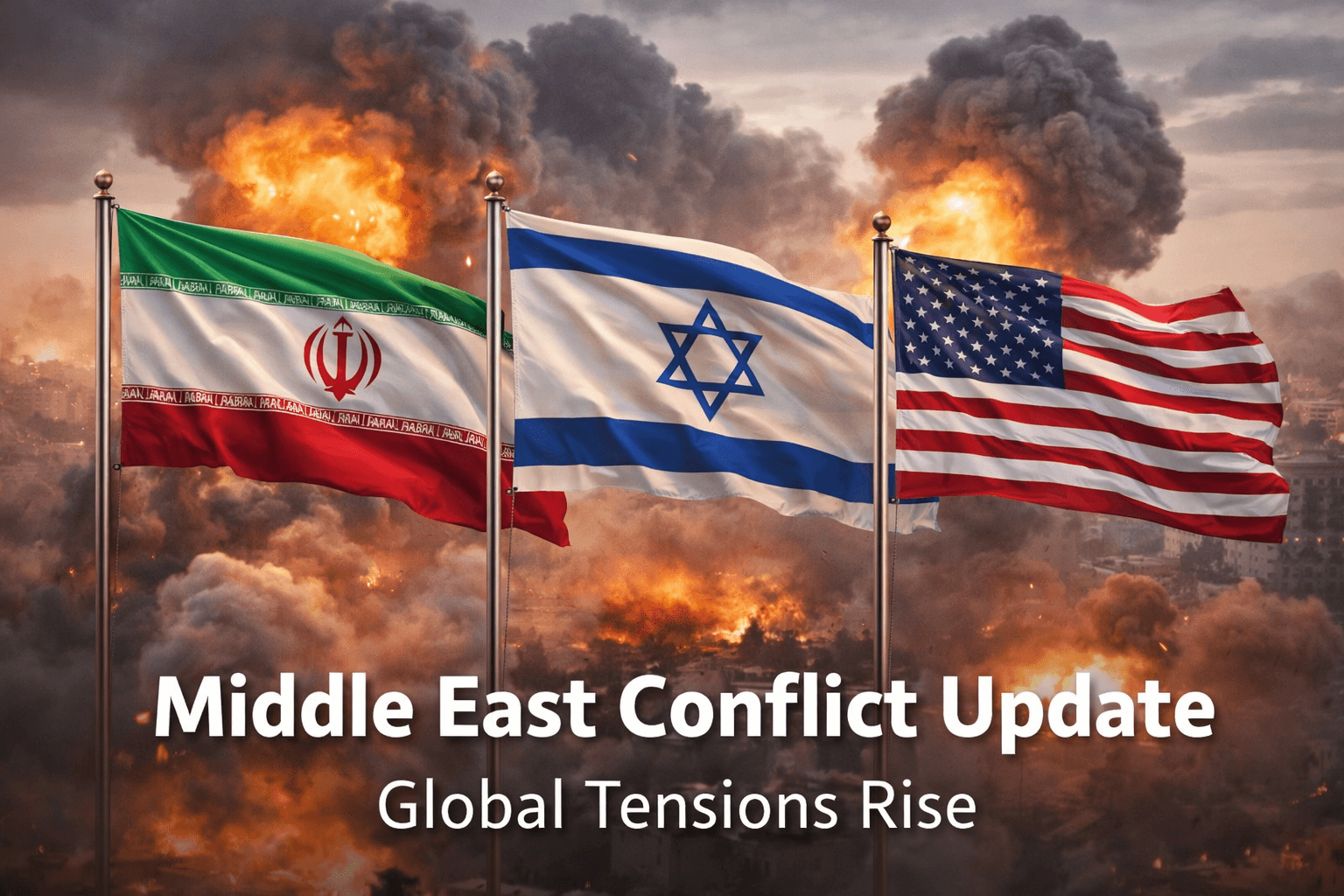
In recent days, global attention has turned toward the Middle East, where escalating military developments have created one of the most closely monitored geopolitical situations of 2026. Governments, international organisations, and citizens worldwide are observing events with concern as tensions evolve across multiple countries in the region.
Late February marked a significant turning point when military strikes targeted strategic locations within Iran. Shortly afterwards, retaliatory missile and drone activity was reported across different parts of the Middle East. These exchanges transformed long-standing political tensions into an active security crisis, prompting heightened military readiness throughout the region.
Reports from international agencies indicate continued air operations, defensive interceptions, and precautionary security measures implemented by several nations. Airspace monitoring has increased, and civilian safety advisories have been issued in affected areas.
The situation has extended beyond a single country, influencing neighboring regions and drawing responses from multiple actors. Cross-border tensions and military alerts have resulted in temporary airspace restrictions and adjustments to international flight routes. Maritime security has also been strengthened along key global trade corridors.
Observers note that while military activity remains concentrated within the Middle East, its implications are global due to the region’s strategic economic and energy importance.
Alongside military developments, humanitarian organisations have expressed concern for civilian populations. Infrastructure damage and displacement risks have prompted calls for restraint and protection of non-combatants.
Aid groups and international bodies continue to emphasise the importance of maintaining humanitarian access and ensuring safety for civilians caught in conflict-affected zones.
Financial markets have responded to uncertainty surrounding the situation. Energy prices have shown volatility amid concerns about supply stability, while investors have shifted toward traditionally safer assets such as gold. Airlines and logistics companies have adapted routes to minimise operational risks.
These developments highlight how regional conflicts can influence global economic systems and everyday life far beyond the immediate area.
World leaders and international institutions have encouraged diplomatic engagement and dialogue as the preferred path forward. Discussions through diplomatic channels continue alongside evolving security developments, reflecting ongoing efforts to reduce tensions and promote stability.
Many analysts emphasise that diplomacy remains central to preventing further escalation and restoring long-term regional balance.
The coming weeks are expected to play a critical role in shaping the direction of the situation. While uncertainty remains, global attention continues to focus on peaceful solutions and cooperative dialogue.
History has shown that moments of tension often become turning points for renewed diplomatic engagement. The international community now watches with cautious hope that communication and understanding will guide future decisions.
“In times of conflict, humanity’s greatest strength lies not in power, but in the pursuit of peace through dialogue.”

India
8:06 AM, Monday, March 2nd, 2026
Join 50,000+ readers getting the most critical stories daily.