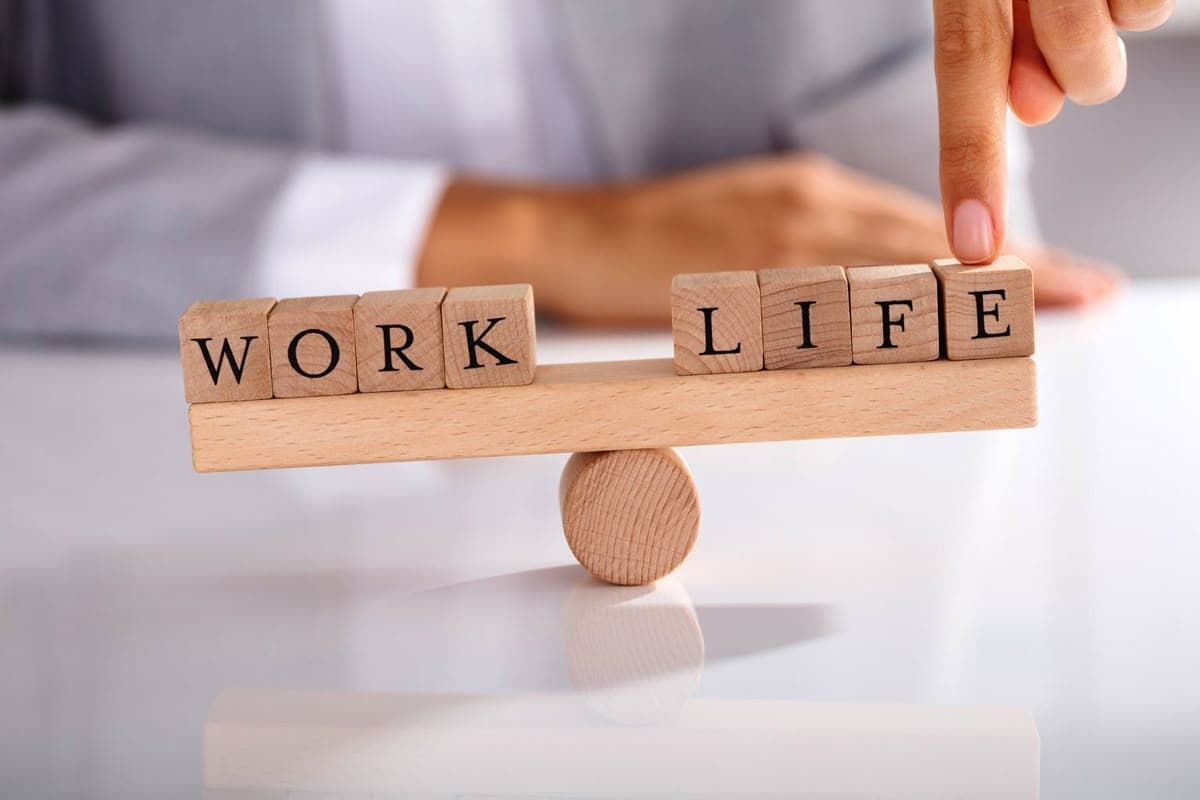
In today’s fast-moving world, success is often measured by productivity, promotions, and packed schedules. While professional growth is important, true fulfilment comes from maintaining a healthy balance between work responsibilities and personal well-being. Work-life balance is not about dividing time equally; it is about creating harmony so that both career and personal life can thrive together.
A balanced life begins with setting clear priorities. When individuals understand what truly matters — whether it is career advancement, family time, health, or personal passions — they can make intentional choices about how to spend their energy. Without such clarity, work can slowly consume personal space, leading to stress, burnout, and reduced happiness.
Equally important is learning the power of boundaries. In the digital age, work often follows us home through emails, messages, and virtual meetings. By establishing specific working hours and allowing time to disconnect, people give their minds the rest they deserve. This mental space improves creativity, decision-making, and overall productivity in the long run.