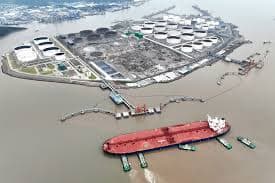
China has significantly increased its crude oil stockpiles at the beginning of 2026, but reports indicate that the country has not yet started using these reserves. The move is seen as a strategic decision aimed at strengthening energy security amid rising global geopolitical tensions and uncertain oil markets.
According to recent data, China accumulated a surplus of crude oil during the first two months of 2026 because imports and domestic production exceeded refinery demand. China imported around 11.99 million barrels of crude oil per day, while domestic production contributed about 4.42 million barrels per day. This resulted in a total supply of about 16.41 million barrels per day, while refineries processed only 15.17 million barrels per day, leaving a surplus that was stored in reserves.
Analysts believe China has been taking advantage of discounted oil supplies from countries such as Russia, Iran, and Venezuela. These discounted imports allowed China to build large stockpiles at relatively lower costs. As the world’s largest crude oil importer, China often increases imports when prices are lower or when geopolitical uncertainty threatens global supply chains.