Introduction
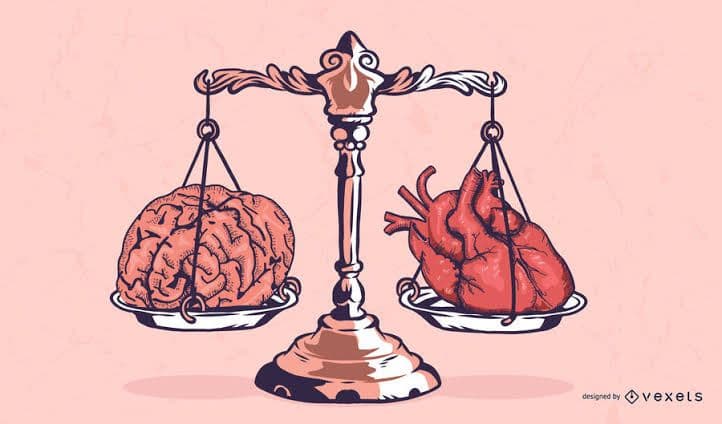
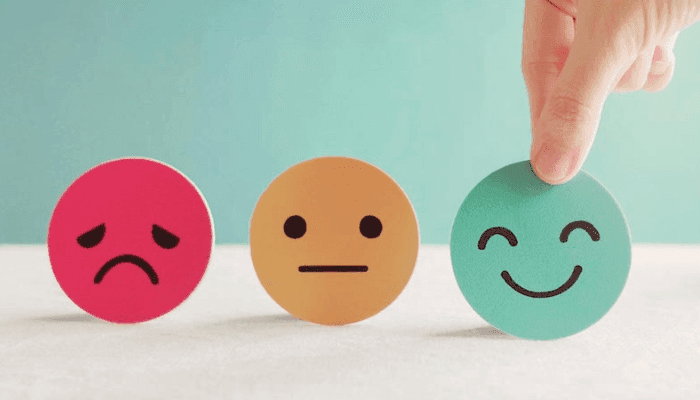
In today’s fast-paced and demanding world, maintaining emotional balance has become increasingly important. Emotional balance refers to the ability to understand, manage, and respond to emotions in a healthy and constructive way. Life often presents challenges such as work pressure, personal responsibilities, and unexpected setbacks. Without emotional balance, these situations can easily lead to stress, frustration, or anxiety. However, when individuals learn to manage their emotions effectively, they can maintain a sense of stability and inner peace even during difficult times. Emotional balance does not mean avoiding negative emotions; rather, it involves acknowledging feelings and responding thoughtfully instead of reacting impulsively.
Why Emotional Balance Matters
Emotional balance plays a crucial role in maintaining overall well-being and building meaningful relationships. When people are emotionally balanced, they are more patient, empathetic, and understanding toward others. This leads to stronger communication and healthier relationships with family, friends, and colleagues.
Another significant benefit is resilience. Life is full of ups and downs, and emotionally balanced individuals are better equipped to face challenges without feeling overwhelmed. They can recover more quickly from disappointments and view obstacles as opportunities for growth rather than failures.
In addition, emotional stability has important health benefits. Chronic stress and unmanaged emotions can lead to problems such as high blood pressure, fatigue, and mental health issues. By maintaining emotional balance, individuals can reduce stress levels, improve concentration, and support their overall mental and physical health.
Strategies to Cultivate Emotional Balance
Developing emotional balance requires conscious effort and consistent practice. One effective method is practicing mindfulness through activities such as meditation, deep breathing, or yoga. These techniques help individuals stay present and calm, allowing them to manage emotions more effectively.
Maintaining a healthy lifestyle also contributes significantly to emotional well-being. Regular physical exercise, balanced nutrition, and sufficient sleep improve mood and strengthen the body’s ability to cope with stress.
Self-awareness is another key factor. Taking time to reflect on emotions through journaling or quiet contemplation helps individuals recognize emotional triggers and respond in healthier ways.
Finally, surrounding oneself with supportive and positive people can greatly enhance emotional stability. Encouragement, understanding, and meaningful connections provide comfort during difficult times.
Conclusion
Emotional balance is essential for leading a peaceful and fulfilling life. It is not about suppressing emotions but about understanding and managing them wisely. By practicing mindfulness, adopting healthy habits, and nurturing supportive relationships, individuals can achieve inner harmony and build resilience. Ultimately, emotional balance enables us to navigate life’s challenges with clarity, confidence, and positivity.