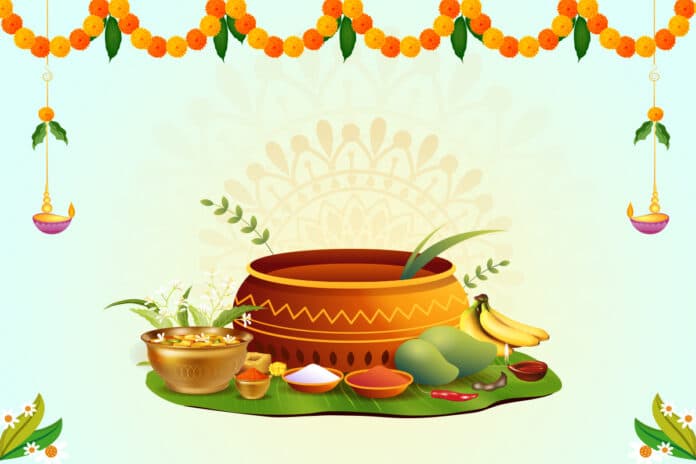
India is a land of diverse traditions where different regions celebrate the arrival of the New Year in unique ways. Two important festivals observed during this time are Ugadi and Chaitra Navaratri. Both festivals usually occur in March or April and symbolize new beginnings, positivity, and spiritual renewal.
Ugadi is primarily celebrated in the southern states of Karnataka, Andhra Pradesh, and Telangana. The festival marks the beginning of the New Year according to the Hindu lunar calendar. On this day, people clean their homes, decorate entrances with mango leaves called torans, and create colorful rangoli designs. Families prepare a traditional dish known as Ugadi Pachadi, made with ingredients like neem flowers, jaggery, tamarind, raw mango, and chili. This dish represents the different flavors of life such as joy, sorrow, anger, and surprise. People also listen to the Panchanga reading, which provides astrological predictions for the coming year. Wearing new clothes, visiting temples, and sharing festive meals with family and neighbors are also important parts of the celebration.
At the same time, Chaitra Navaratri is widely celebrated across North India, especially in Uttar Pradesh, Punjab, Himachal Pradesh, and Delhi. This nine-day festival is dedicated to the worship of Durga and her nine forms. Devotees observe fasts, perform daily prayers, and participate in devotional singing and temple visits. A key ritual is Ghatasthapana, where a sacred pot (kalash) is placed to invoke divine energy in the home. Many devotees also grow barley seeds during the festival as a symbol of prosperity and growth. On the eighth or ninth day, families perform Kanya Puja, where young girls are worshipped and offered food and gifts.