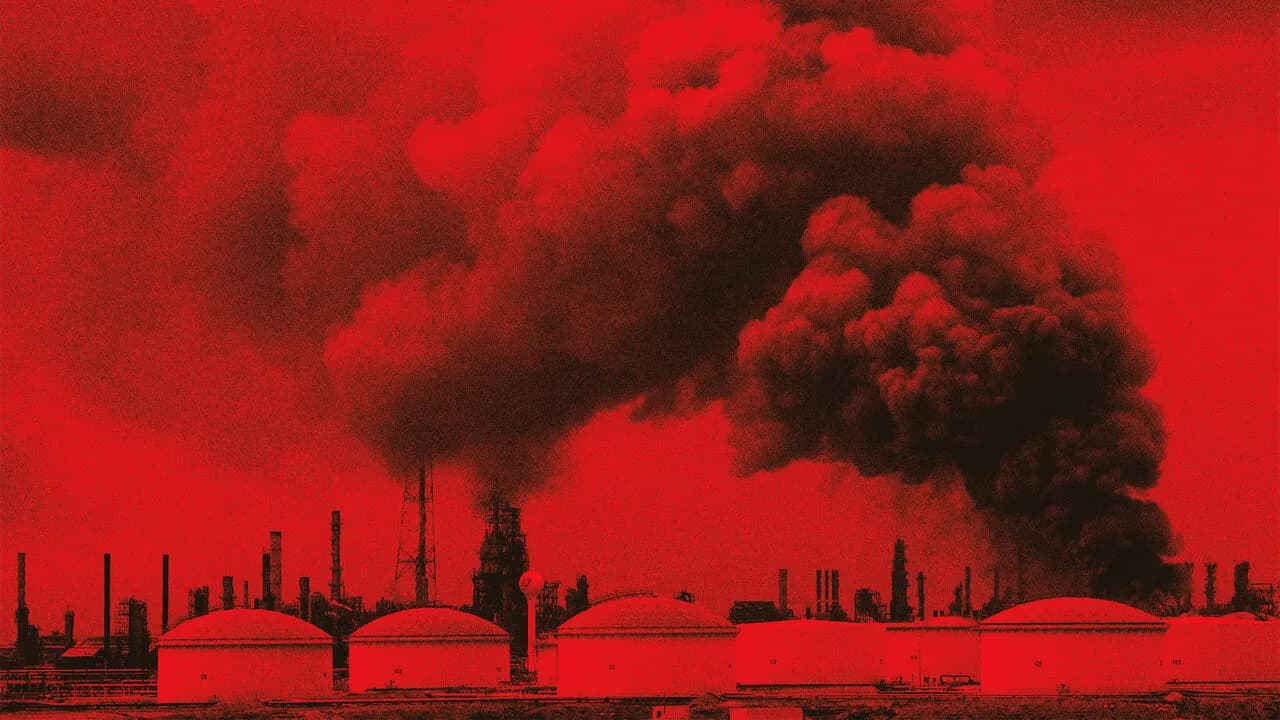
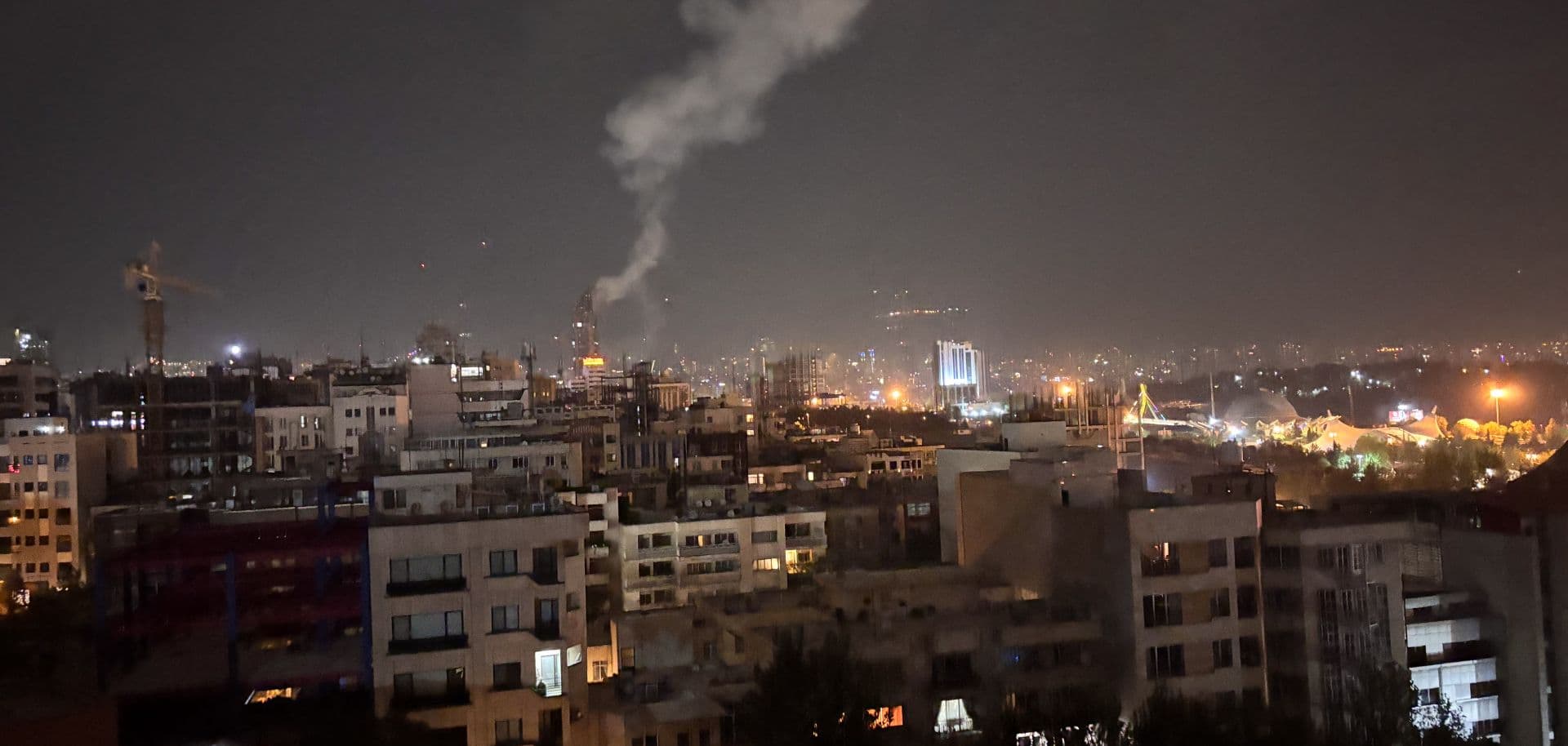
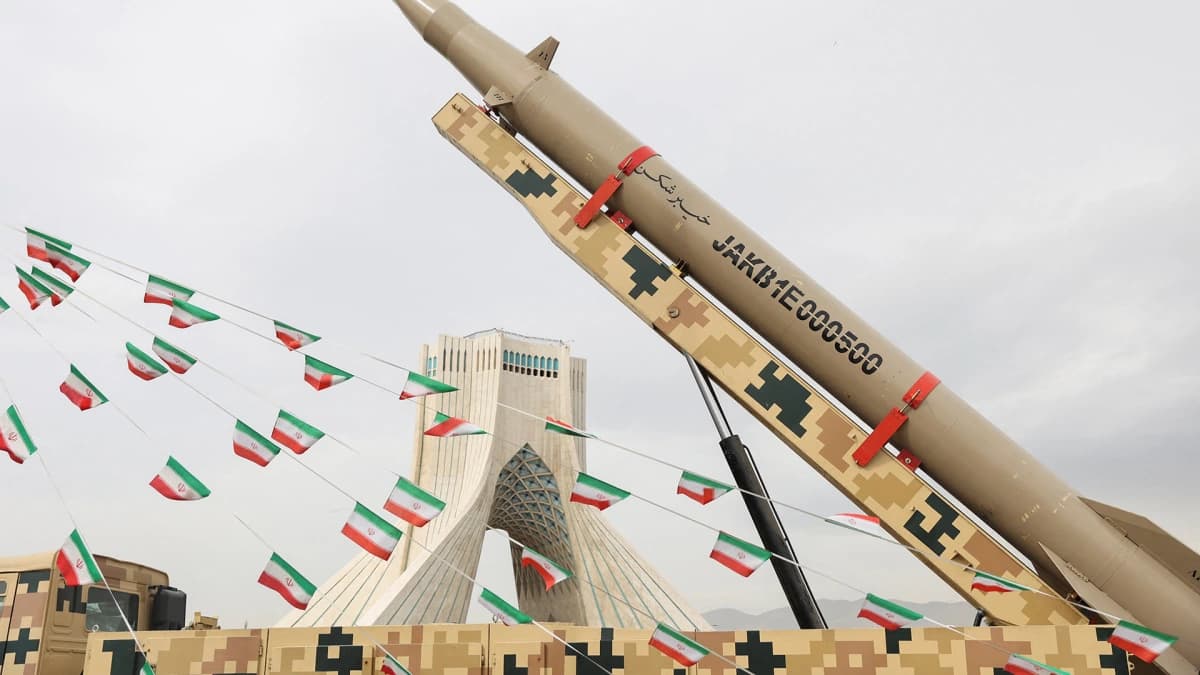
Geopolitical tensions continue to dominate global headlines in March 2026, with the most critical developments unfolding in the Middle East. The ongoing conflict involving Iran, Israel, and the United States has intensified, raising serious concerns about regional stability and global security. Recent reports indicate a surge in drone and missile strikes targeting strategic infrastructure, including energy facilities and military bases. These actions have significantly increased the risk of a broader regional war.
One of the most sensitive flashpoints remains the Strait of Hormuz, a crucial maritime route through which nearly 20% of the world’s oil supply passes. Heightened military presence and threats to shipping lanes have disrupted global trade and caused oil prices to surge beyond $100 per barrel. This has had a ripple effect on economies worldwide, contributing to inflation and rising fuel costs.
Meanwhile, diplomatic efforts to de-escalate tensions have shown limited progress. The United Nations has called for immediate ceasefire talks, but negotiations remain stalled due to deep-rooted political disagreements. Western nations, including members of NATO, have expressed strong support for Israel, while urging restraint to avoid further escalation.
Beyond the Middle East, tensions between China and Taiwan continue to simmer, with increased military drills and political rhetoric raising fears of a potential conflict in East Asia. This situation is being closely monitored by global powers, as any escalation could severely impact international trade and semiconductor supply chains.
In summary, the current geopolitical landscape remains fragile and unpredictable. With multiple global hotspots and limited diplomatic breakthroughs, the risk of wider conflict persists, making international cooperation more crucial than ever.