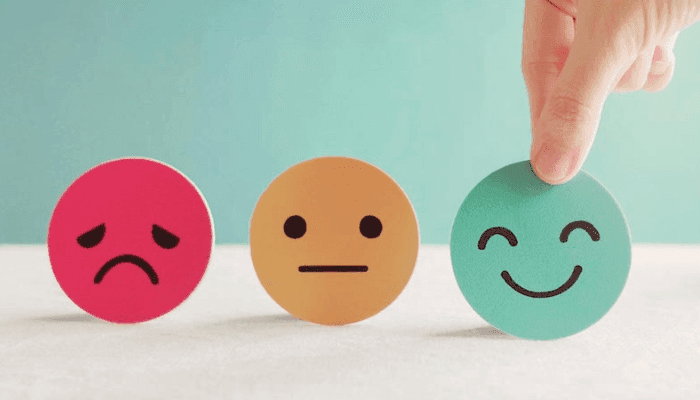
In today’s fast-paced world, mental health has become just as important as physical health. Among the most common mental health challenges people face are anxiety and depression. These conditions affect millions of people worldwide and can impact daily life, relationships, and overall well-being. Understanding anxiety and depression and learning how to manage them is an important step toward better mental health.
What is Anxiety?
Anxiety is a feeling of fear, worry, or nervousness about situations or future events. While occasional anxiety is a normal part of life, constant or excessive anxiety can interfere with daily activities. People with anxiety may experience symptoms such as restlessness, difficulty concentrating, rapid heartbeat, trouble sleeping, and constant worry. If not managed properly, anxiety can affect both mental and physical health.
What is Depression?
Depression is a mood disorder that causes persistent feelings of sadness, hopelessness, and loss of interest in activities that once brought joy. It can affect how a person thinks, feels, and behaves. Common symptoms include low energy, difficulty sleeping, changes in appetite, lack of motivation, and feelings of worthlessness. Depression is more than just feeling sad—it is a serious condition that requires care and support.
Importance of Anxiety and Depression Care
Proper care for anxiety and depression is essential for improving mental health and overall quality of life. Early recognition of symptoms allows individuals to seek help before the condition becomes more severe. Treatment and care may include therapy, counseling, lifestyle changes, stress management techniques, and in some cases, medication prescribed by healthcare professionals.
Healthy Ways to Manage Anxiety and Depression
There are several ways individuals can support their mental well-being. Regular exercise, healthy eating, and proper sleep can significantly improve mood and reduce stress. Practicing mindfulness, meditation, and relaxation techniques can also help manage anxious thoughts. Talking to trusted friends, family members, or mental health professionals can provide emotional support and guidance.
Conclusion
Anxiety and depression are common but manageable mental health conditions. With the right care, support, and awareness, individuals can improve their mental well-being and lead healthier lives. Taking small steps toward self-care, seeking professional help when needed, and maintaining a supportive environment can make a significant difference in managing these conditions and promoting long-term mental health.