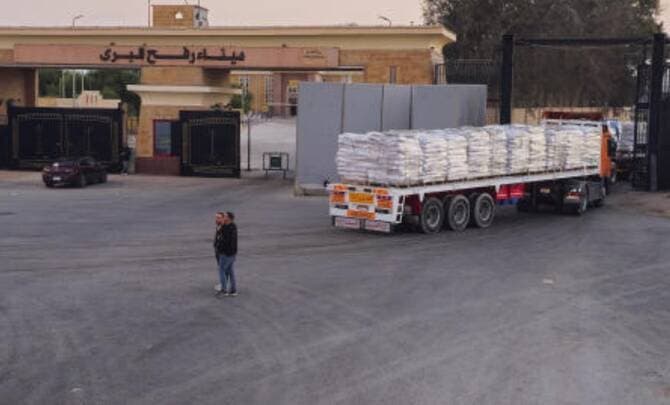
The World Health Organization (WHO) has issued a serious warning that medical supplies in the Gaza Strip are running dangerously low, placing thousands of patients at risk and pushing the region’s healthcare system closer to collapse. The warning comes amid continuing conflict in the Middle East and restrictions that have slowed the entry of humanitarian aid into the territory.
According to WHO officials, hospitals across Gaza are facing severe shortages of essential medicines, trauma kits, surgical equipment, and other life-saving supplies. Basic medical items such as gauze, syringes, and needles have already run out in several healthcare facilities. The organization says the remaining stock of medical equipment and drugs is extremely limited and could be exhausted soon if new aid does not arrive quickly.
The crisis is further complicated by fuel shortages, which are preventing hospitals from running essential medical equipment and backup generators. Without adequate fuel, hospitals struggle to maintain critical services such as emergency surgeries, dialysis treatment, and intensive care units. As a result, doctors and nurses are being forced to make difficult decisions about which patients receive treatment first.