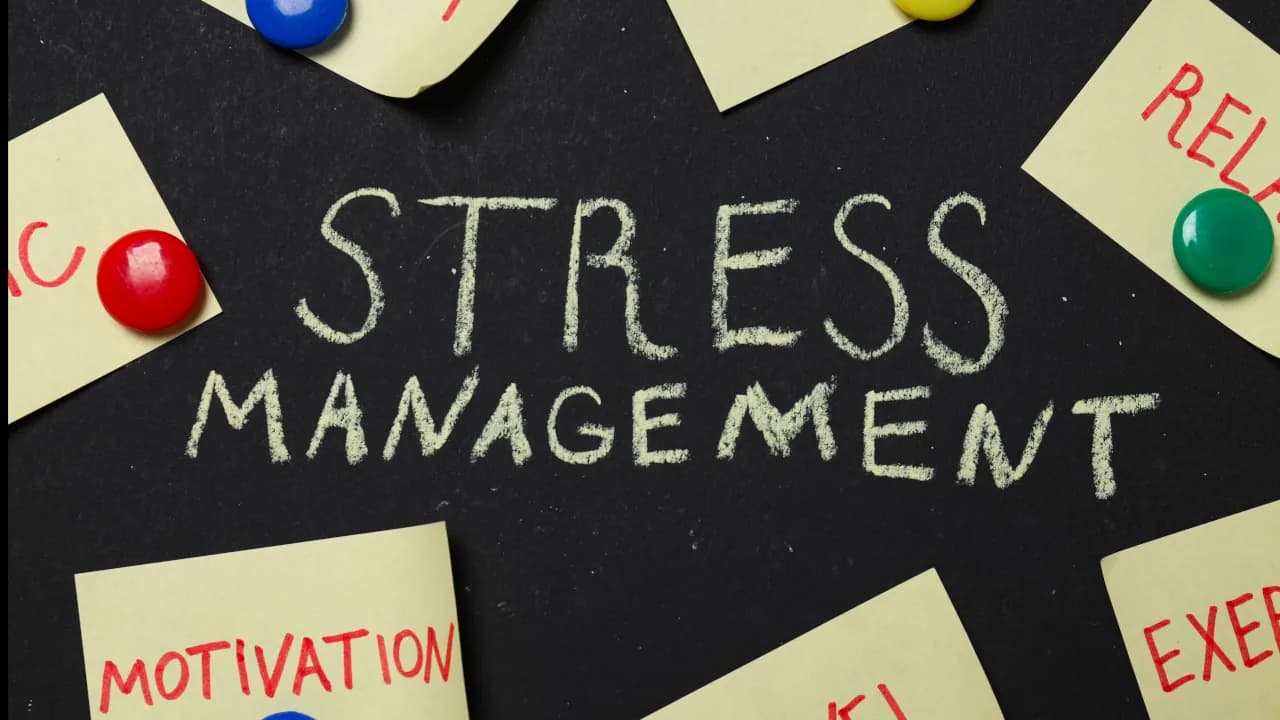
In today’s fast‑paced world, stress has become an almost inevitable part of daily living. From workplace pressures to personal responsibilities, the constant demands can leave individuals feeling overwhelmed. Yet, managing stress effectively is not only possible—it is essential for maintaining overall health and well‑being.
The first step in stress management is awareness. Recognizing the triggers—whether deadlines, financial concerns, or relationship challenges—helps in addressing them proactively. Once identified, adopting healthy coping mechanisms can make a significant difference. Regular physical activity, for instance, is a proven way to reduce stress hormones and boost mood. Even a brisk walk or light stretching can provide immediate relief.
Equally important is the role of relaxation techniques. Practices such as meditation, deep breathing, and yoga encourage mindfulness, allowing the mind to slow down and regain clarity. These techniques not only calm the nervous system but also build resilience against future stressors. Maintaining a consistent sleep schedule further enhances the body’s ability to recover and recharge.