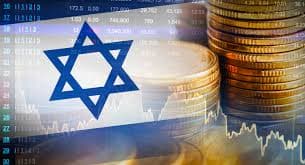
Israel’s economy is frequently described as a "miracle" of the modern era, having transformed from an agrarian society into a global technological powerhouse in just a few decades. As of 2026, the nation's economic identity remains defined by its unique ability to thrive under pressure, blending a high-tech "Startup Nation" spirit with a robust, diversified industrial base.
1. The High-Tech Engine
The heart of the Israeli economy is undoubtedly its High-Tech Sector. This industry accounts for a massive portion of the country's exports and is the primary driver of its GDP.
Research and Development (R&D): Israel consistently ranks among the top countries in the world for R&D expenditure as a percentage of GDP.
Global Hub: Major multinational corporations—including Google, Microsoft, and Intel—maintain significant R&D centers in Israel, drawn by a highly skilled workforce and a culture of "Chutzpah" that encourages risk-taking and innovation.
Emerging Tech: In 2026, the focus has shifted toward Cybersecurity, Artificial Intelligence (AI), and Climate-Tech, where Israeli firms continue to lead global breakthroughs.
2. Structural Strengths and Diversification
Beyond software and chips, Israel maintains a strong presence in several key industries:
Natural Gas: The discovery of massive offshore gas fields has turned Israel into an energy exporter, providing a significant boost to the trade balance and offering a degree of energy independence.
Advanced Manufacturing: From medical devices to sophisticated defense systems, Israel’s "low-tech" industries are increasingly integrated with "high-tech" processes.
Agriculture and Water: As a world leader in desalination and drip irrigation, Israel exports not just products, but the intellectual property needed for global food security.
3. Current Economic Challenges
No economy is without its hurdles. In the current landscape of 2026, Israel faces several structural pressures:
Cost of Living: High housing prices and a concentrated retail market have made the cost of living a central concern for the average citizen.
Labor Market Gaps: There is a persistent "dual economy" where the high-paying tech sector exists alongside more traditional sectors that struggle with lower productivity.
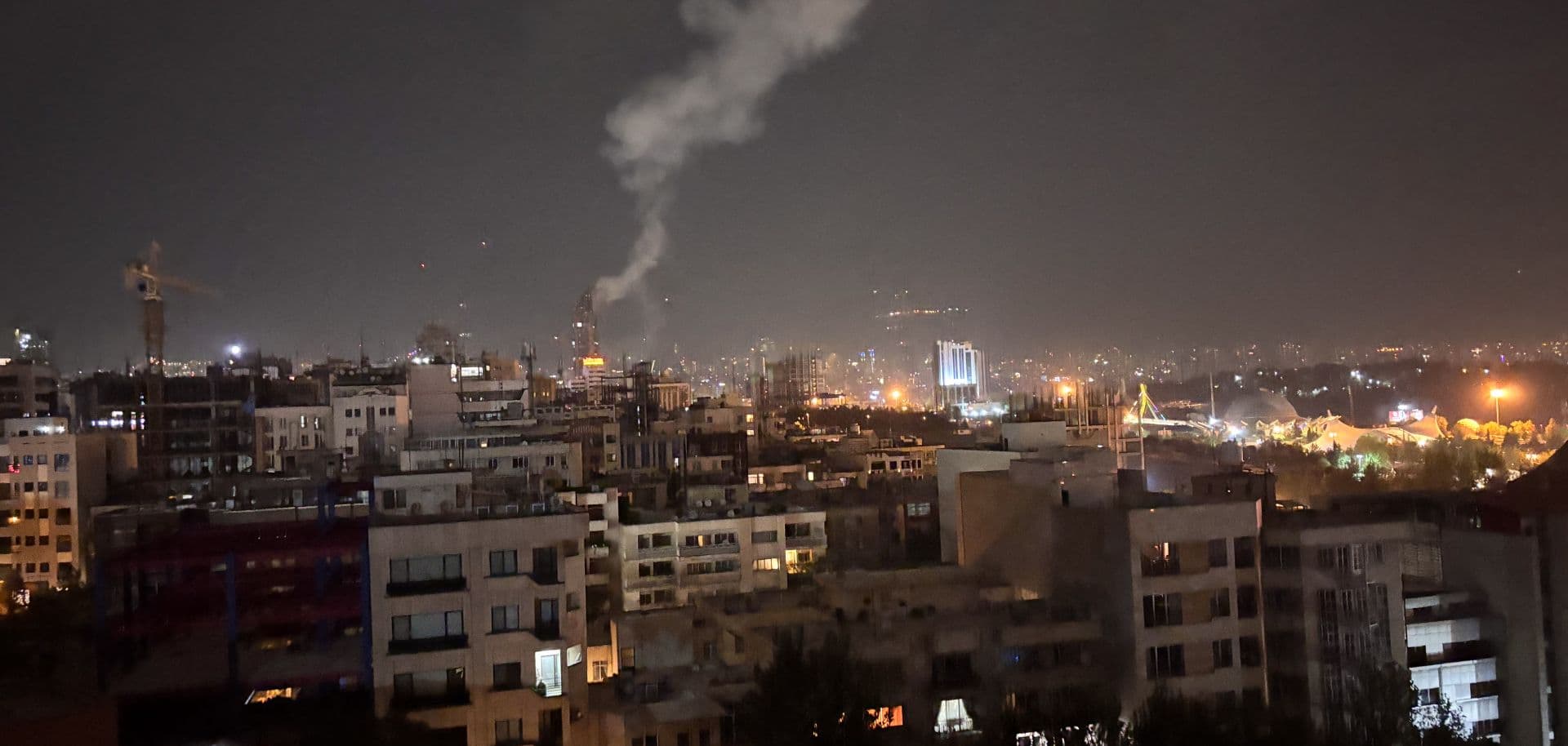
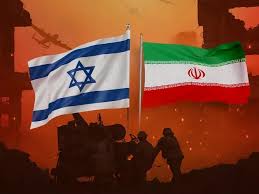
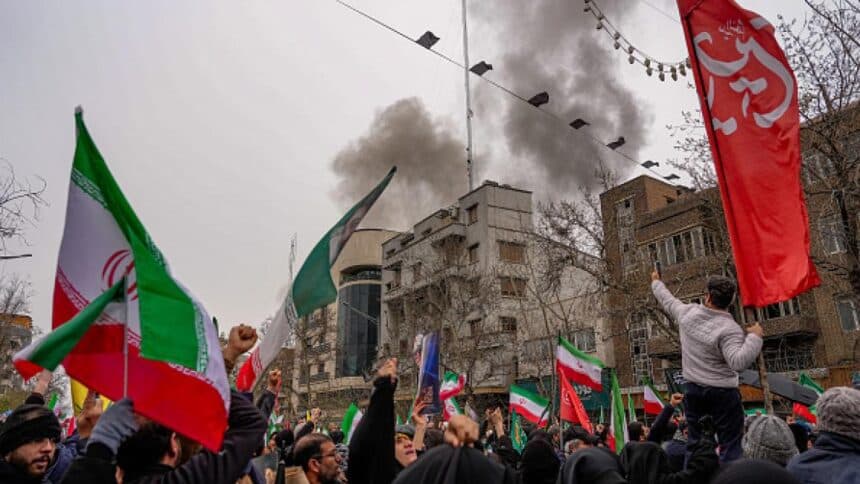
Geopolitical Volatility: While the economy is historically resilient to security shocks, prolonged periods of regional instability necessitate a high defense budget, which can impact long-term fiscal planning.
The Outlook for 2026
Despite these challenges, the Israeli economy is characterized by a "v-shaped" recovery pattern. Its fiscal foundations remain solid, backed by a strong central bank and an entrepreneurial spirit that views every crisis as a catalyst for the next wave of innovation.