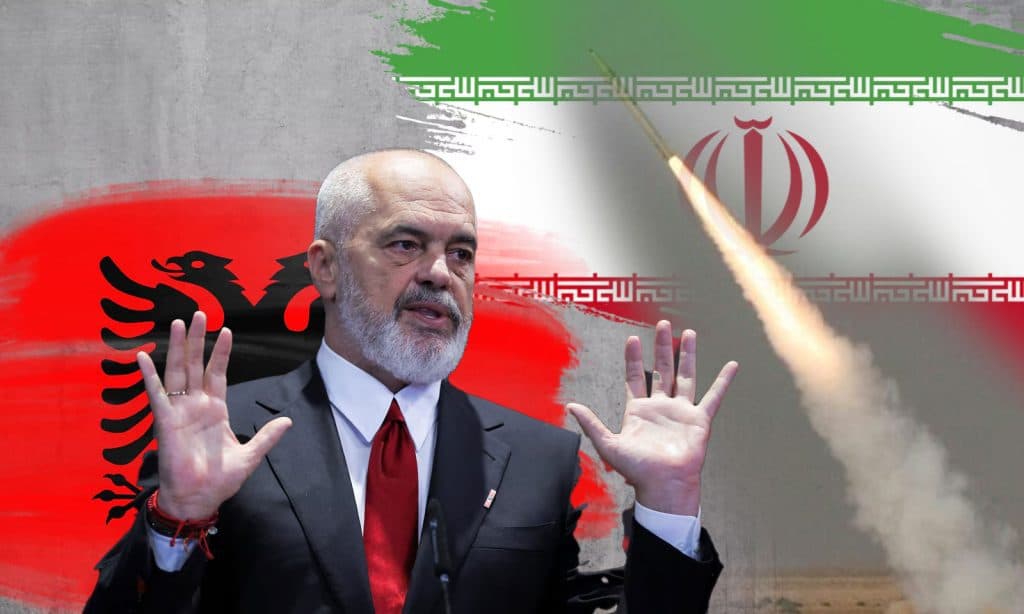
Albania has recently taken a significant political step by considering and approving a parliamentary resolution that declares Iran a state sponsor of terrorism. The decision reflects growing tensions between the two countries and concerns about security threats, cyberattacks, and regional instability.
The resolution was introduced by members of Albania’s ruling Socialist Party and discussed in the Albanian Parliament in March 2026. Lawmakers argued that the move was necessary to strengthen Albania’s position against international terrorism and to show solidarity with democratic countries combating security threats.
One of the key reasons behind the resolution is the allegation that Iranian institutions have been involved in supporting militant groups and destabilizing activities in various regions of the world. According to the draft resolution, international reports claim that Iran has provided funding, training, and support to several non-state armed groups that have been classified as terrorist organizations.
Another major factor behind the proposal is the series of cyberattacks targeting Albanian institutions. In 2022, Albania experienced a serious cyberattack on government systems that authorities linked to Iranian actors. More recently, hackers reportedly attempted to interfere with the digital systems of the Albanian Parliament. These incidents raised serious concerns about national security and prompted the government to adopt a stronger stance against Iran.
The resolution also calls for the Islamic Revolutionary Guard Corps (IRGC) to be officially designated as a terrorist organization. Additionally, it recommends labeling Hezbollah as a proxy terrorist group associated with Iran. By taking these steps, Albania aims to align itself with several Western allies that have already taken similar measures against Iranian organizations.
Despite the strong support from the ruling party, the resolution sparked political debate within Albania. Some opposition lawmakers reportedly boycotted the parliamentary session in which the vote took place. Nevertheless, the resolution was approved by a majority of lawmakers, demonstrating the government’s firm stance on the issue.
Overall, Albania’s decision represents a major diplomatic and security development. The resolution highlights the country’s commitment to combating terrorism, strengthening cybersecurity, and cooperating with international partners to address global security threats. Experts believe that the move may influence Albania’s future diplomatic relations and its role in international security efforts.