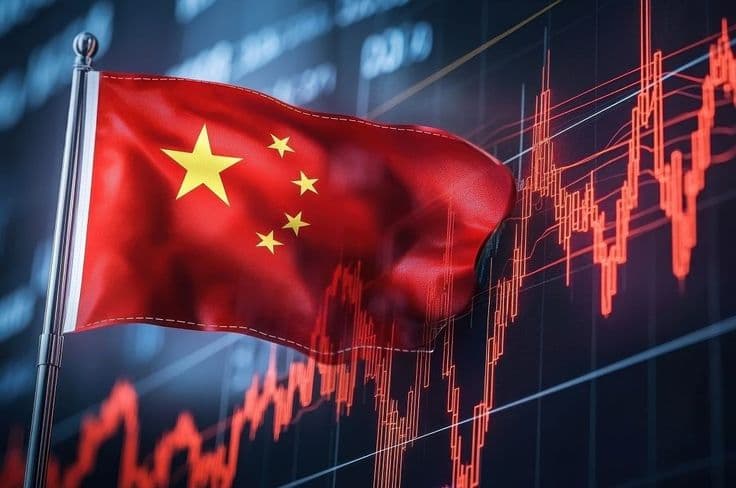
The government of China has announced a new economic growth target of around 4.5% to 5% for 2026, signaling a cautious but steady approach as the country navigates global economic uncertainty and domestic challenges. The announcement was made during the annual meeting of the National People's Congress held in Beijing, one of the most significant political events in the country.
Chinese leaders emphasized that the goal for the coming year is not only about maintaining growth but also about ensuring high-quality and sustainable economic development. Officials highlighted the importance of strengthening domestic consumption, improving industrial innovation, and supporting private businesses through targeted fiscal and monetary policies.
The new growth target is slightly lower than previous years, reflecting concerns about several economic pressures currently facing China. One of the most significant challenges is weak consumer demand, as households remain cautious about spending due to economic uncertainties. Another major concern is the ongoing slowdown in the property sector, which has historically been a major driver of the Chinese economy. Reduced real estate investments and financial stress among developers have affected economic momentum.
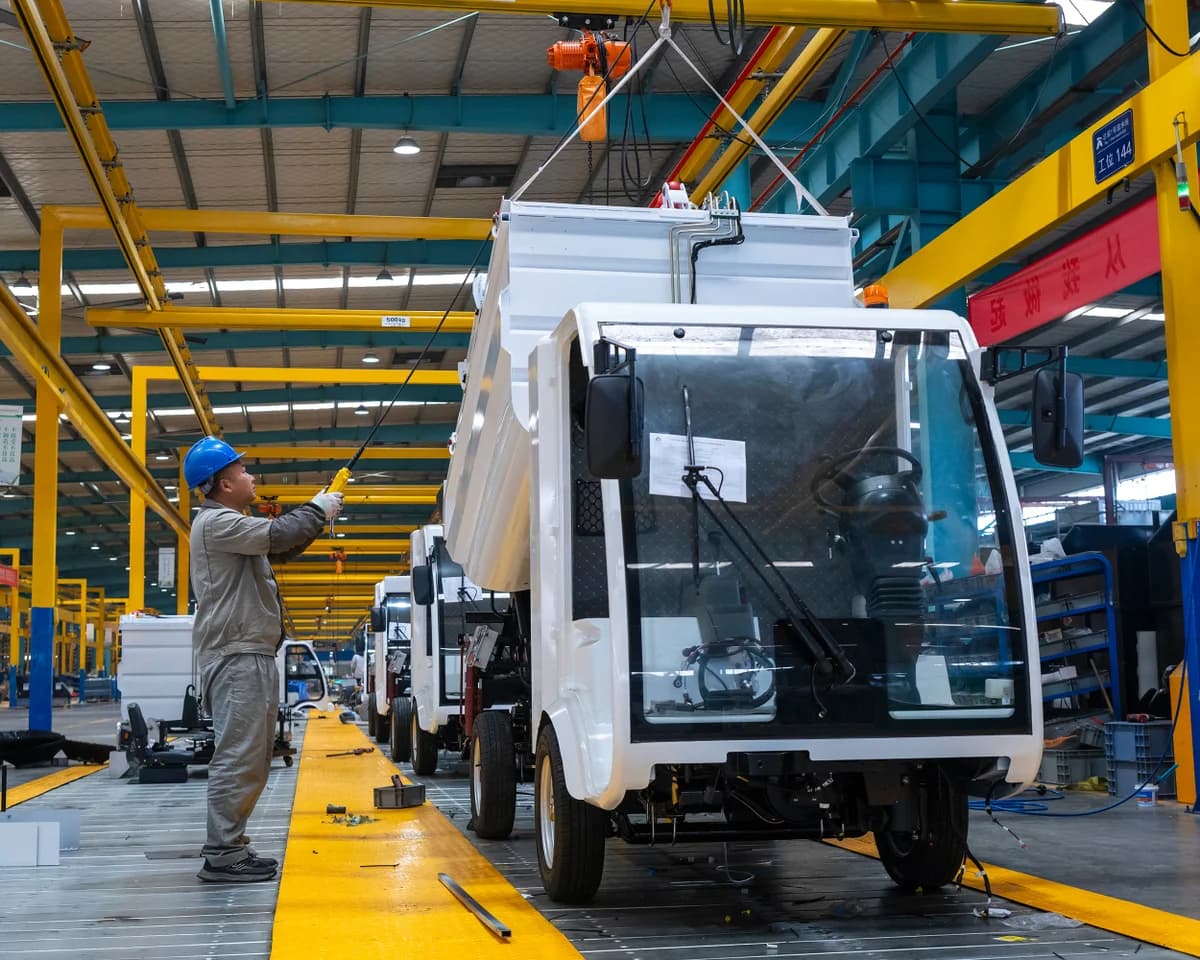
Despite these challenges, the Chinese government remains optimistic about the country’s economic prospects. Leaders have outlined several policy measures designed to stabilize growth. These include increased public investment in infrastructure, financial support for small and medium-sized enterprises, and incentives to encourage domestic consumption. Authorities also plan to continue promoting innovation in key industries such as artificial intelligence, advanced manufacturing, and digital technology.
Chinese President Xi Jinping has repeatedly stressed the importance of shifting the country’s growth model from rapid expansion to a more balanced and innovation-driven economy. According to policymakers, this transformation will help China remain competitive in the global economy while ensuring long-term stability.
International economists are closely watching China’s economic strategy because the country remains one of the world’s largest economic powers. Changes in China’s growth trajectory can have significant effects on global trade, commodity markets, and international investment.
As the government implements new policies throughout 2026, analysts will be monitoring whether these measures successfully stimulate domestic demand and restore confidence in key sectors. The outcome will play a crucial role in shaping China’s economic outlook and its influence on the global economy in the coming years.