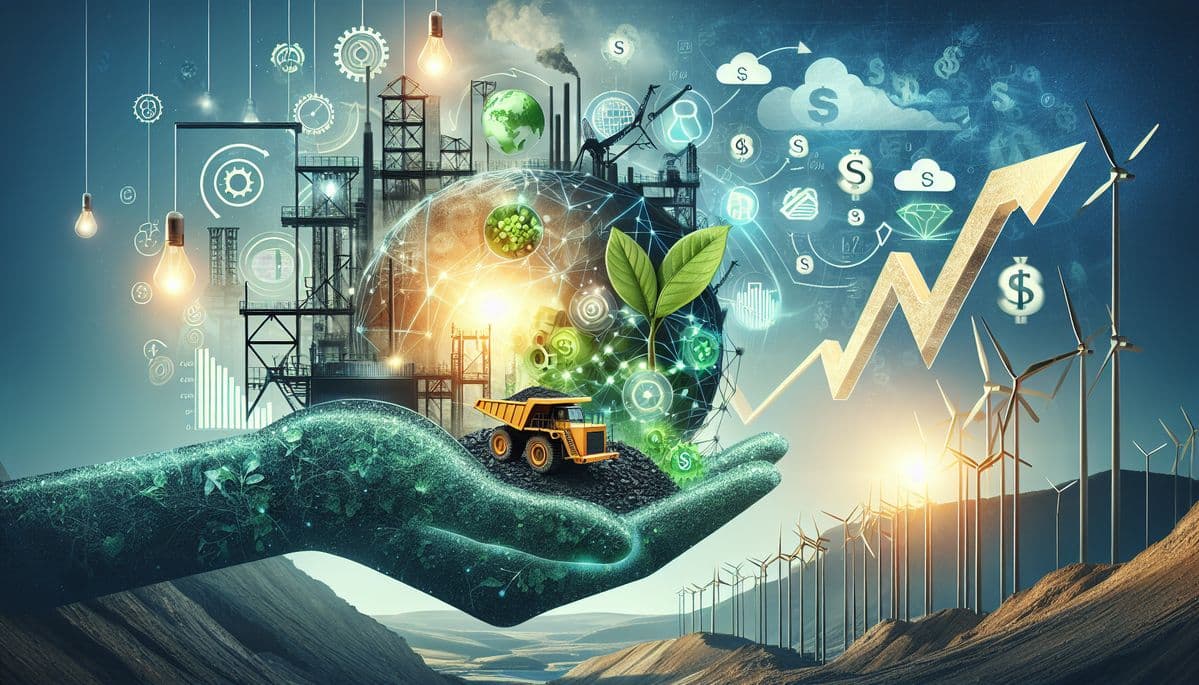
In recent years, the urgency of climate change has accelerated the global push toward green technology, also known as sustainable technology. This field focuses on innovations that reduce environmental impact, conserve resources, and promote cleaner alternatives to traditional industrial practices. At its core, green tech aims to balance economic growth with ecological responsibility.
One of the most transformative areas is renewable energy. Solar panels, wind turbines, and hydropower systems are increasingly replacing fossil fuels, offering cleaner and more sustainable energy sources. Advances in battery storage technology ensure that renewable energy can be stored and used efficiently, even when the sun isn’t shining or the wind isn’t blowing. This shift not only reduces greenhouse gas emissions but also creates new industries and jobs.
Another significant development is the rise of circular economy practices. Instead of the traditional “take, make, dispose” model, companies are adopting strategies that emphasize recycling, reusing, and repurposing materials. For example, electronic waste is being mined for valuable metals, while biodegradable packaging is replacing single-use plastics. These innovations help reduce pollution and conserve finite resources.
Transportation is also undergoing a green revolution. Electric vehicles (EVs) are becoming mainstream, supported by expanding charging infrastructure and government incentives. Beyond cars, sustainable aviation fuel and hydrogen-powered ships are being explored to cut emissions in sectors that have historically been difficult to decarbonize.
Smart technologies play a crucial role as well. Energy-efficient buildings equipped with smart sensors can optimize heating, cooling, and lighting, significantly reducing energy consumption. Similarly, precision agriculture uses drones, sensors, and AI to minimize water usage and pesticide application, making farming more sustainable.
Despite these advances, challenges remain. High upfront costs, limited infrastructure, and resistance to change can slow adoption. However, as governments, businesses, and consumers increasingly prioritize sustainability, green tech continues to gain momentum. The long-term benefits—cleaner air, healthier ecosystems, and resilient economies—far outweigh the short-term hurdles.
In essence, sustainable technology is not just about innovation; it’s about reimagining how humanity interacts with the planet. By embracing green tech, societies can move toward a future where progress and preservation go hand in hand.