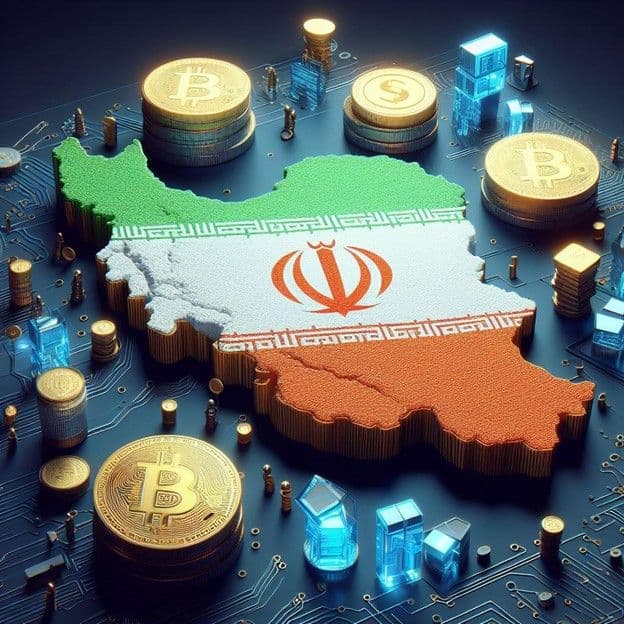
Iran has one of the largest economies in the Middle East, supported by vast natural resources, a large population, and a diversified industrial base. However, the country has faced persistent economic challenges over the past decade due to international sanctions, political tensions, and internal economic issues. As of 2026, Iran’s economy continues to struggle with high inflation, currency instability, and slow economic growth.
Structure of Iran’s Economy
Iran’s economy is heavily dependent on the oil and gas sector. The country holds some of the world’s largest reserves of crude oil and natural gas, making energy exports a major source of government revenue. Oil income plays a central role in funding public spending and development projects. In addition to energy, the economy also includes industries such as manufacturing, agriculture, mining, and services. However, the dominance of state-owned enterprises and government influence over major industries limits private sector growth.
Impact of Sanctions
International sanctions—especially those imposed by the United States—have had a major impact on Iran’s economy. These sanctions restrict Iran’s ability to export oil freely, access global financial systems, and attract foreign investment. As a result, trade has declined and foreign exchange inflows have been limited. The sanctions have also forced Iran to rely on informal trade networks and alternative markets, which increase costs and reduce transparency in business operations.
Inflation and Currency Problems
One of the most serious economic problems in Iran is inflation. In recent years, inflation rates have remained extremely high, with prices rising rapidly for basic goods such as food and housing. The Iranian rial has also lost much of its value due to economic uncertainty and limited foreign currency reserves. In 2025, inflation exceeded 40%, severely affecting household purchasing power and increasing poverty levels.
Unemployment and Social Impact
Economic instability has led to rising unemployment and social dissatisfaction. Many young Iranians struggle to find stable jobs, and businesses face challenges due to limited investment and economic uncertainty. Reports suggest that a large portion of the population lives under or near the poverty line, reflecting the widening gap between incomes and living costs.
Future Outlook
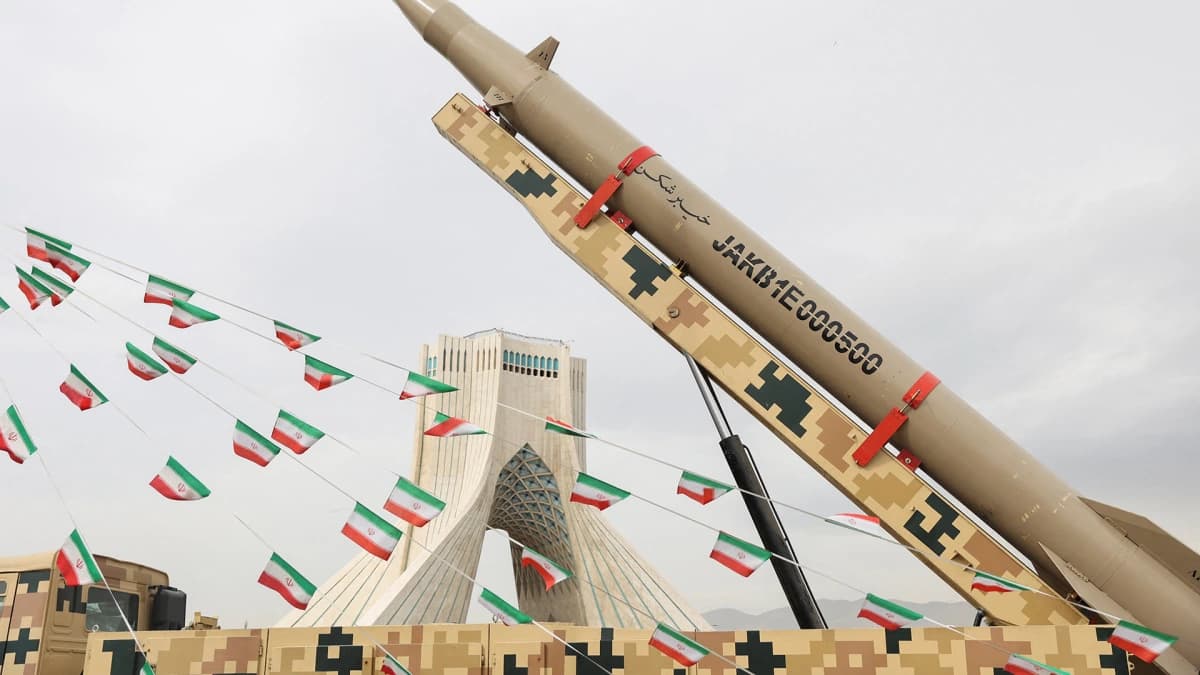
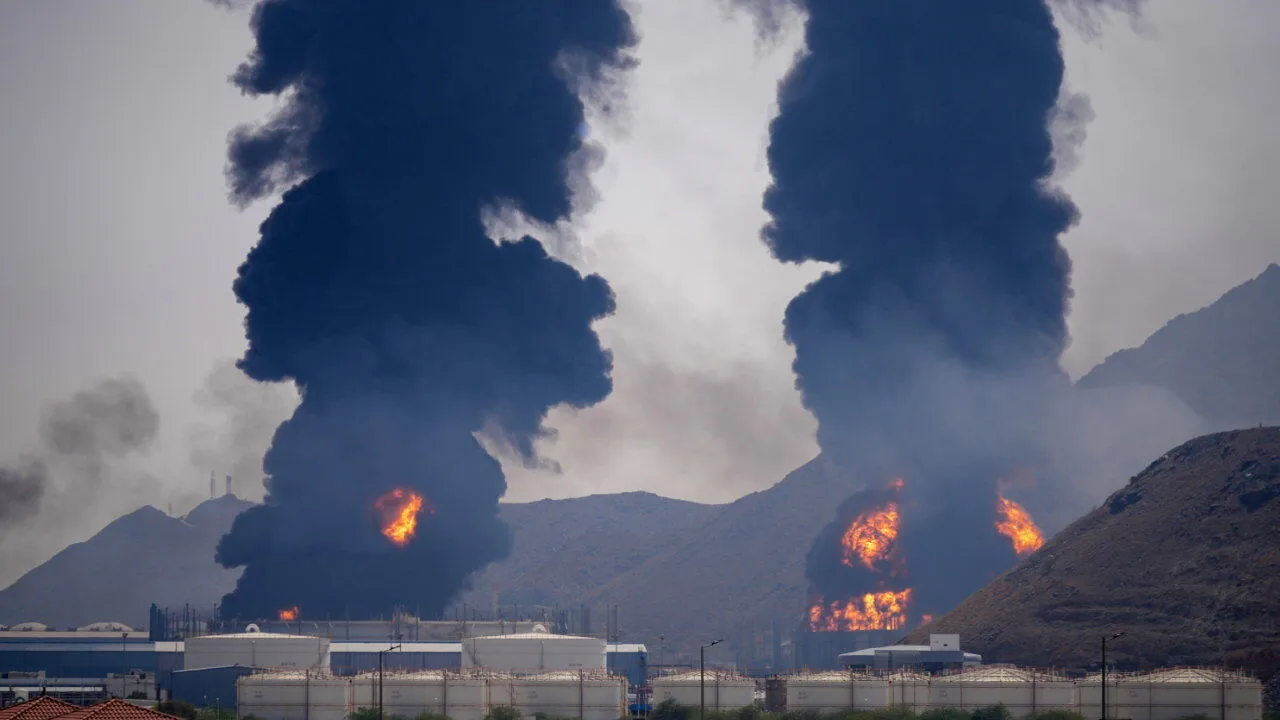
The future of Iran’s economy depends largely on geopolitical developments. If sanctions are eased and international trade relations improve, Iran could benefit from increased oil exports, foreign investment, and economic growth. However, continued political tensions and conflicts may keep the economy under pressure, leading to prolonged inflation and slow development.
Conclusion
Iran’s economy has significant potential because of its natural resources, skilled workforce, and strategic location. However, sanctions, inflation, and political tensions continue to limit its growth. For Iran to achieve long-term economic stability, reforms, improved international relations, and diversification beyond oil will be essential.