The landscape of Iran in March 2026 is one of profound transition and volatile uncertainty. Following the high-intensity strikes of Operation Epic Fury on February 28, the nation faces a dual crisis: a decapitated political leadership and a rapidly deteriorating humanitarian situation.
The Political Vacuum
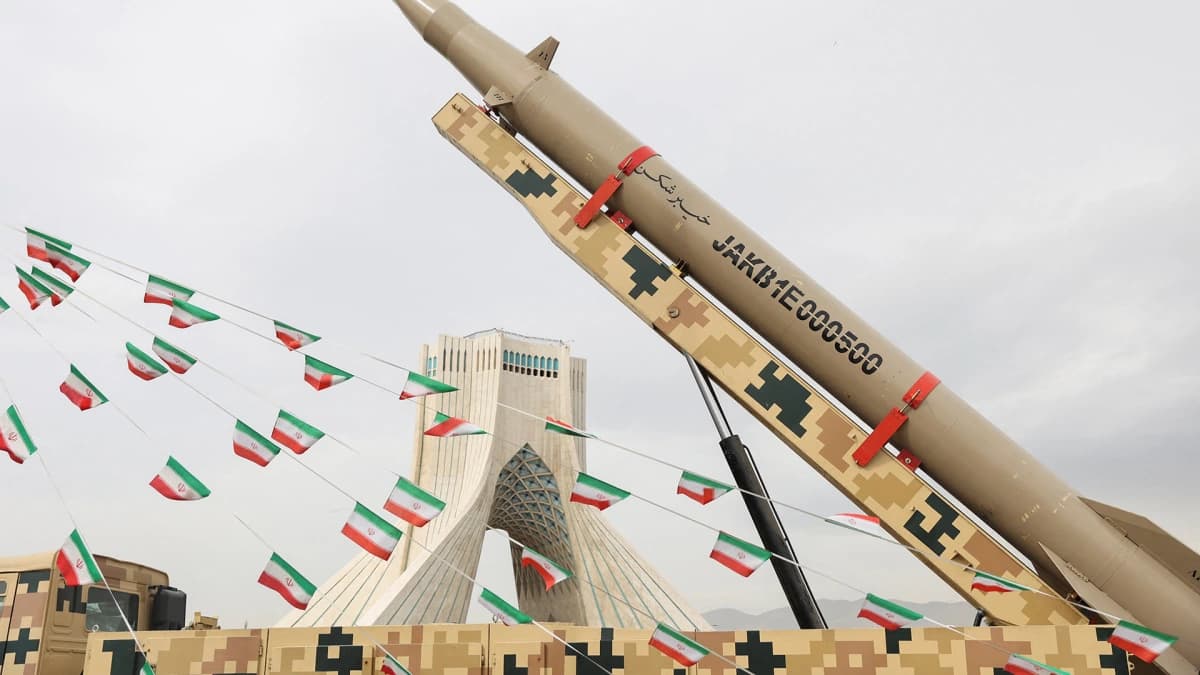
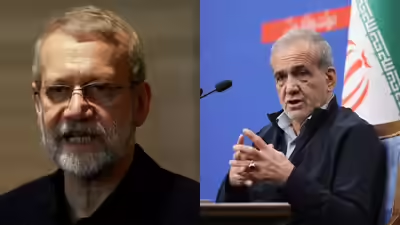
The assassination of Supreme Leader Ayatollah Ali Khamenei has created an unprecedented power vacuum. In the immediate aftermath, an Interim Leadership Council—comprising President Masoud Pezeshkian, Judiciary Chief Gholam Hossein Mohseni Ejei, and cleric Ali Reza Arafi—has struggled to assert control. Yet the influence of the Islamic Revolutionary Guard Corps (IRGC) remains unpredictable. While central command was heavily degraded, local IRGC units continue to operate autonomously, focusing on suppressing internal dissent and coordinating retaliatory drone strikes.
Humanitarian and Social Impact
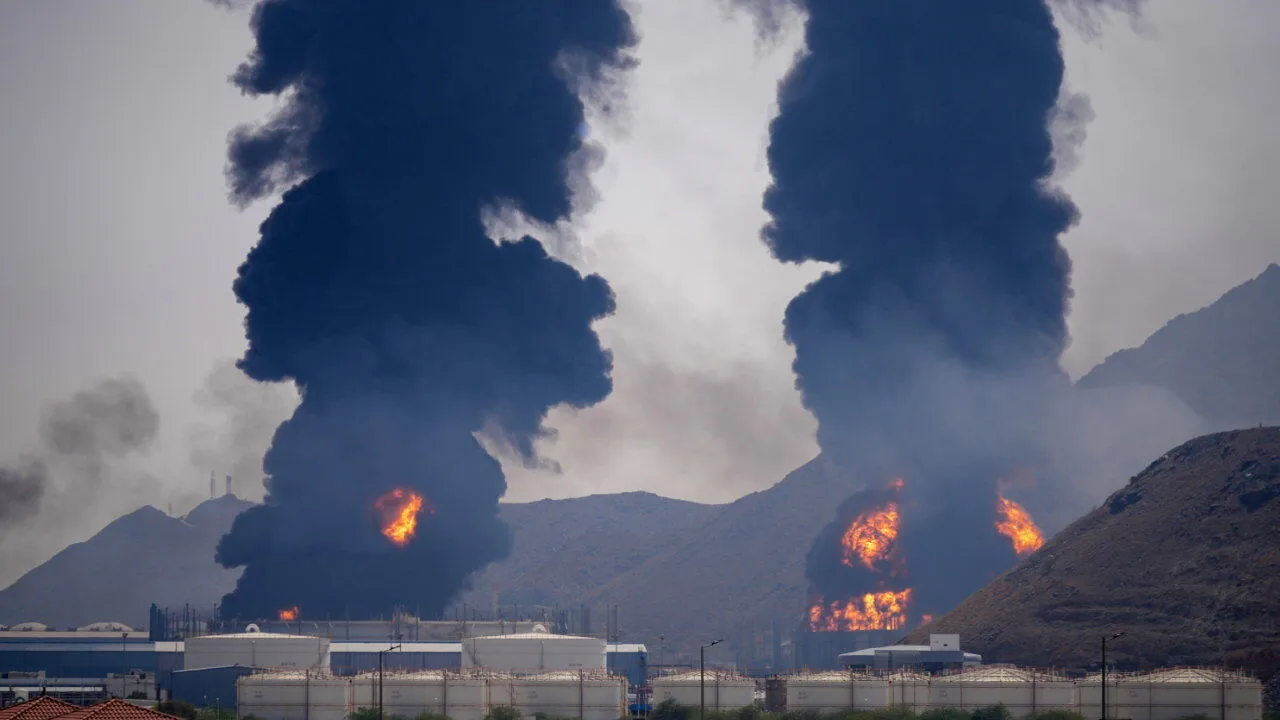
The human toll of the five-day conflict is severe. According to the Iranian Red Crescent, hundreds have been killed, with civilian casualties mounting in cities such as Minab and Tehran. Critical infrastructure, including power grids and water treatment facilities, has been destroyed, leaving millions in precarious conditions.
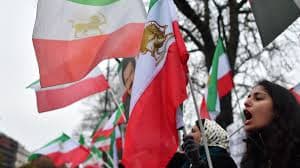
The social fabric is equally strained. The conflict follows the Winter 2026 protests that began in late 2025 over economic collapse. While some citizens viewed the leadership’s fall with cautious hope, the reality of externally imposed regime change has largely triggered a survivalist mentality. A nationwide internet blackout—with connectivity barely reaching 1%—has stifled both coordination among protesters and the flow of vital information for civilians seeking safety.
Economic Paralysis
Economically, Iran teeters on the edge. The Iranian Rial has plunged to record lows, and food price inflation, already extreme in late 2025, is now untrackable due to market closures. The closure of the Strait of Hormuz by retreating naval units has cut off both global trade flows and Iran’s own limited oil export lifelines, further compounding economic collapse.
A Nation at a Crossroads
As of early March 2026, Iran stands at a historical crossroads. The Epic Fury strikes achieved their military objectives of degrading nuclear and command infrastructure, yet they have left behind a nation of 90 million people grappling with a fractured state, severe humanitarian distress, and an uncertain path to stabilization.