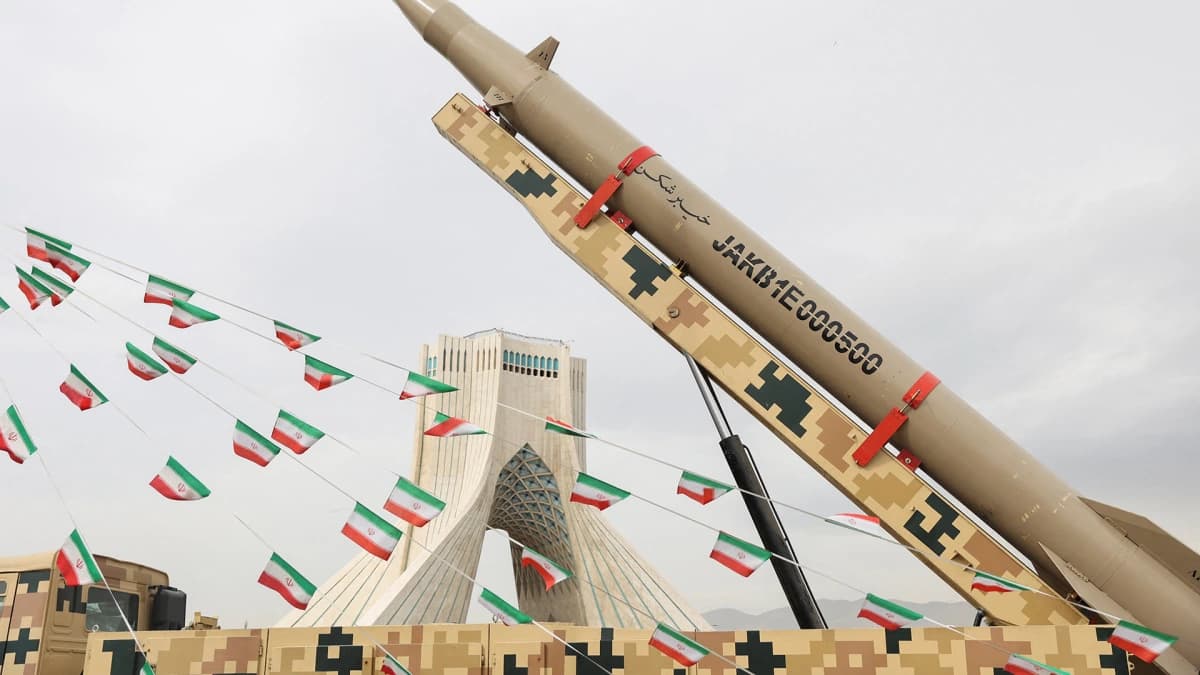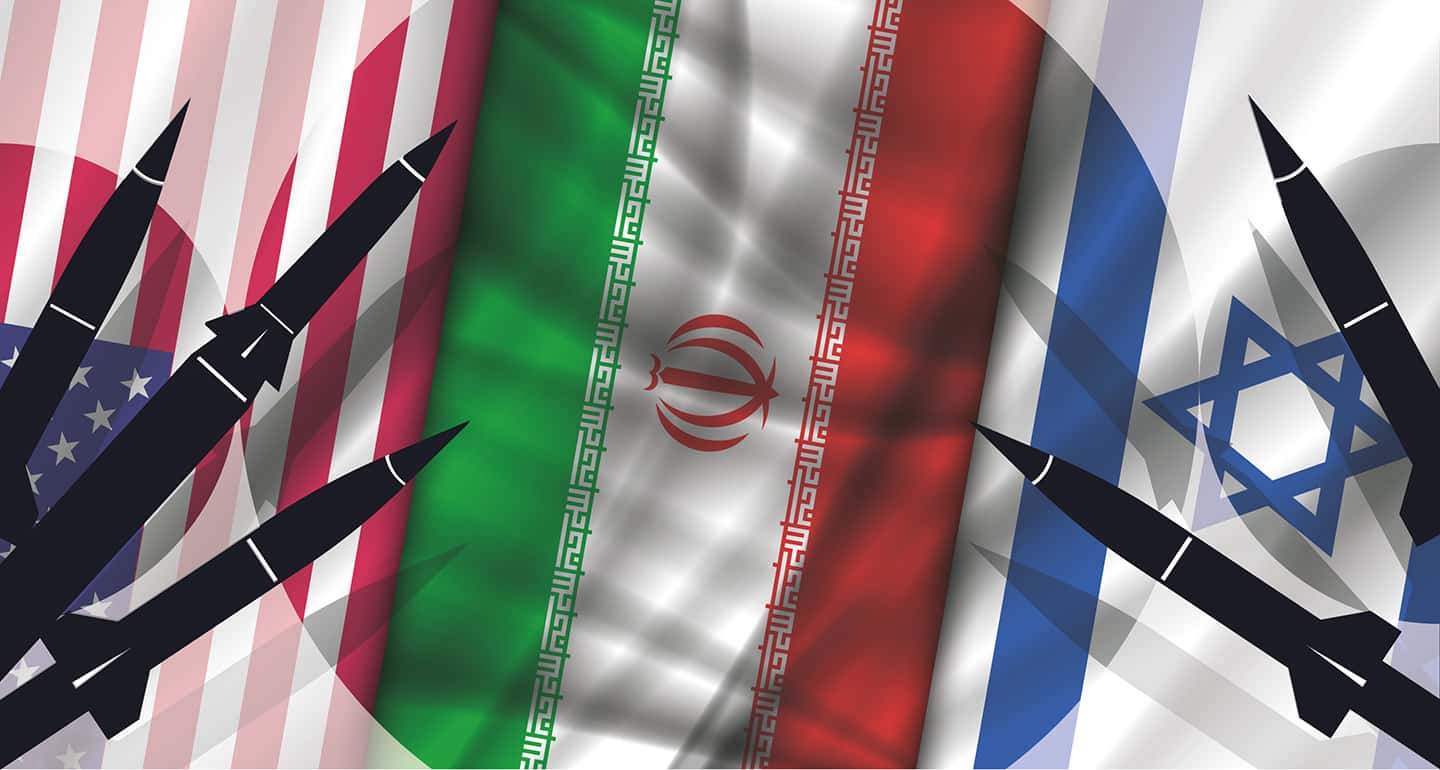
Tensions in the Middle East have intensified after Iran launched multiple missile attacks against Israel and several U.S.-linked military locations across the Gulf region. The strikes are seen as retaliation following recent military actions involving Israel and the United States, raising fears of a wider regional conflict.
According to reports, Iran fired around 12 missile salvos toward Israel, targeting both military installations and areas near civilian infrastructure. Air defense systems in Israel intercepted many of the incoming missiles, but several explosions and sirens were reported across multiple cities, forcing residents to seek shelter.
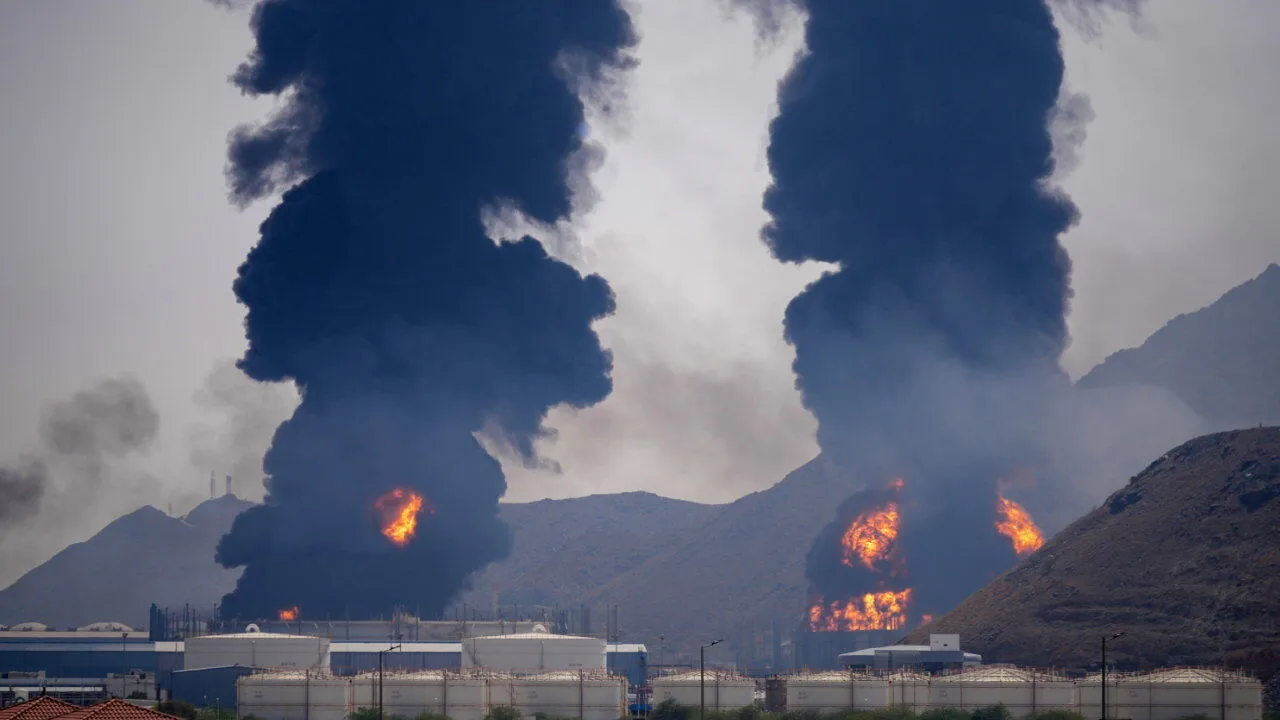
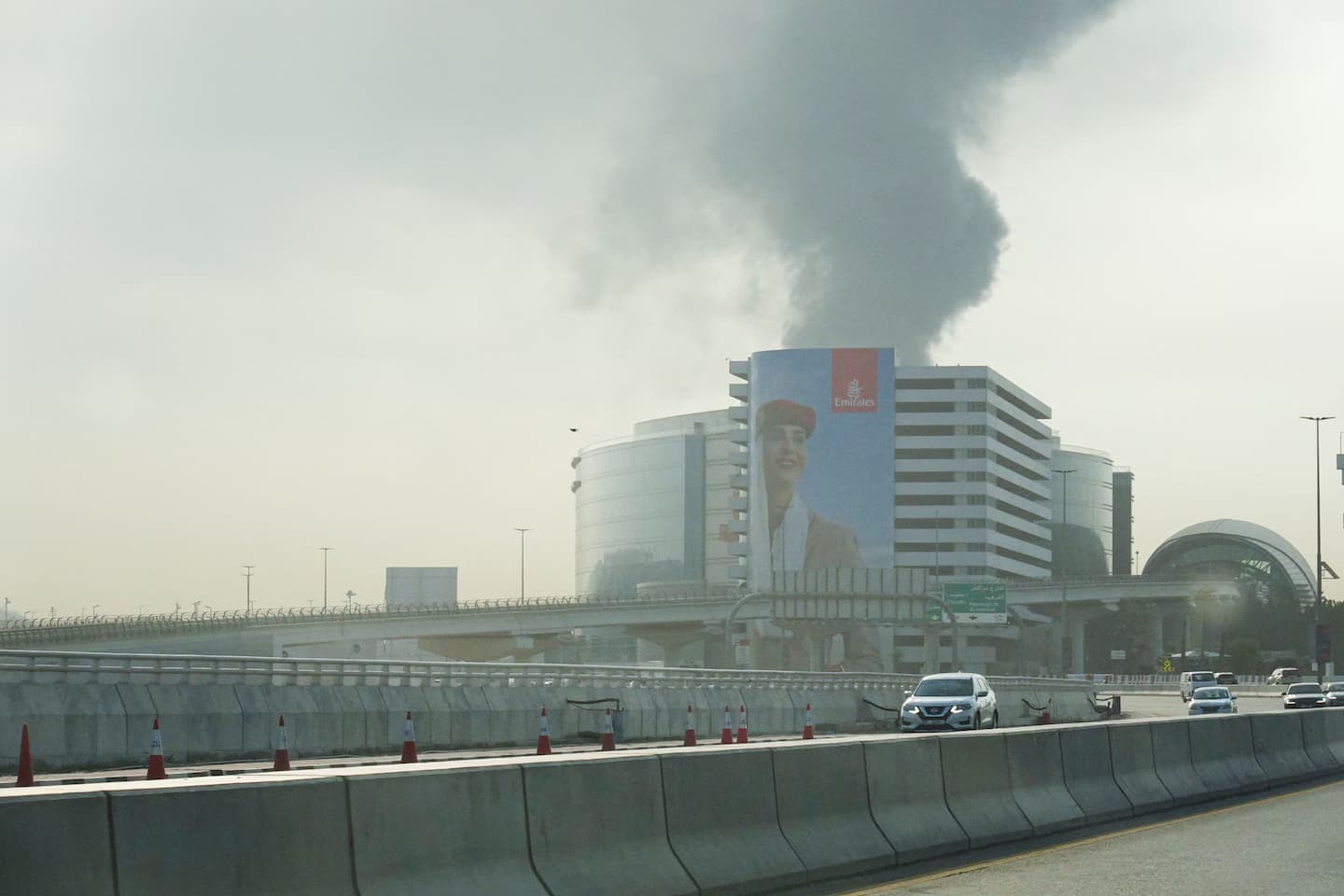
The escalation did not remain limited to Israel. Iranian missiles and drones were also launched toward locations hosting U.S. forces in countries including Kuwait, Qatar, Saudi Arabia, and the United Arab Emirates. Many of these projectiles were intercepted by regional air-defense systems, though some caused casualties, property damage, and widespread panic in several Gulf states.