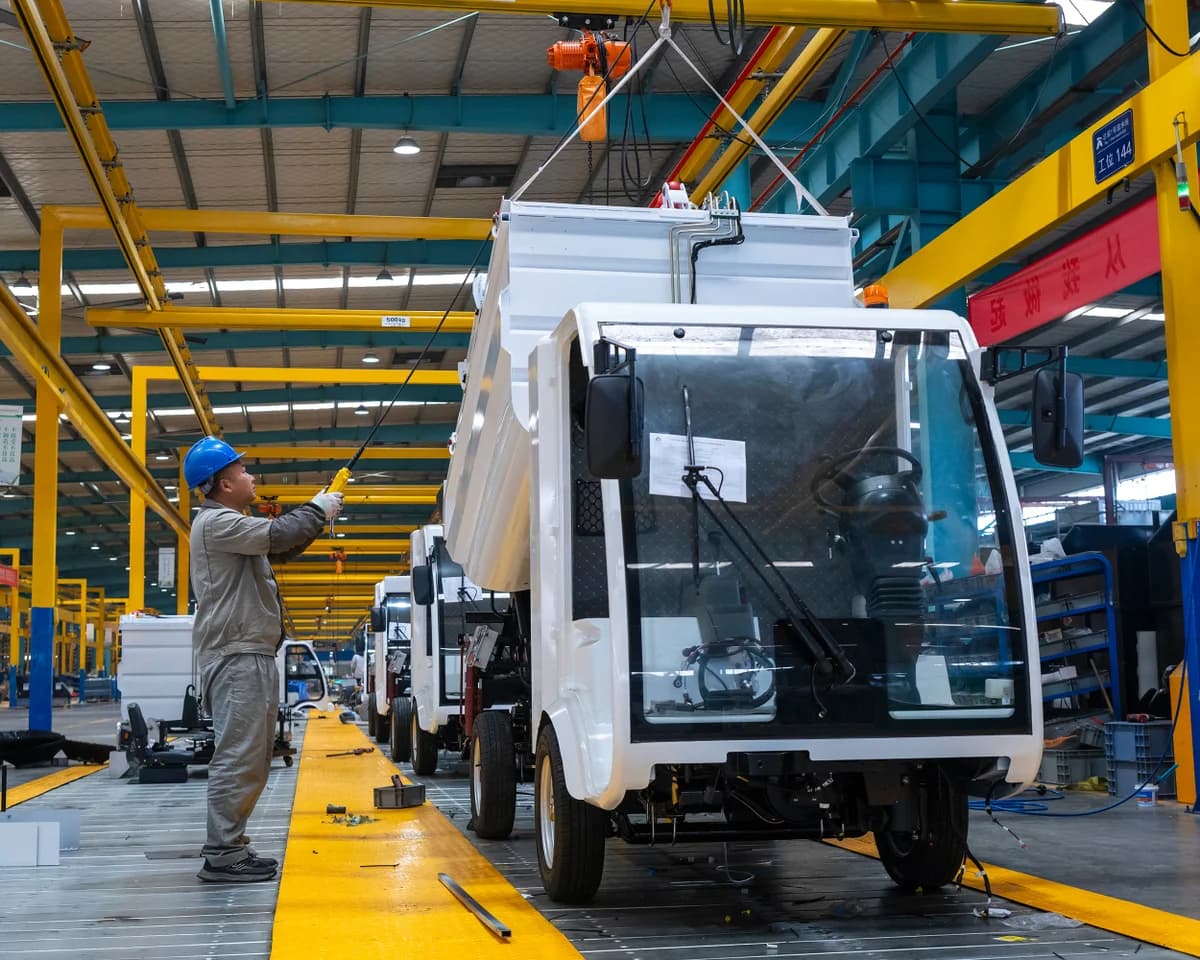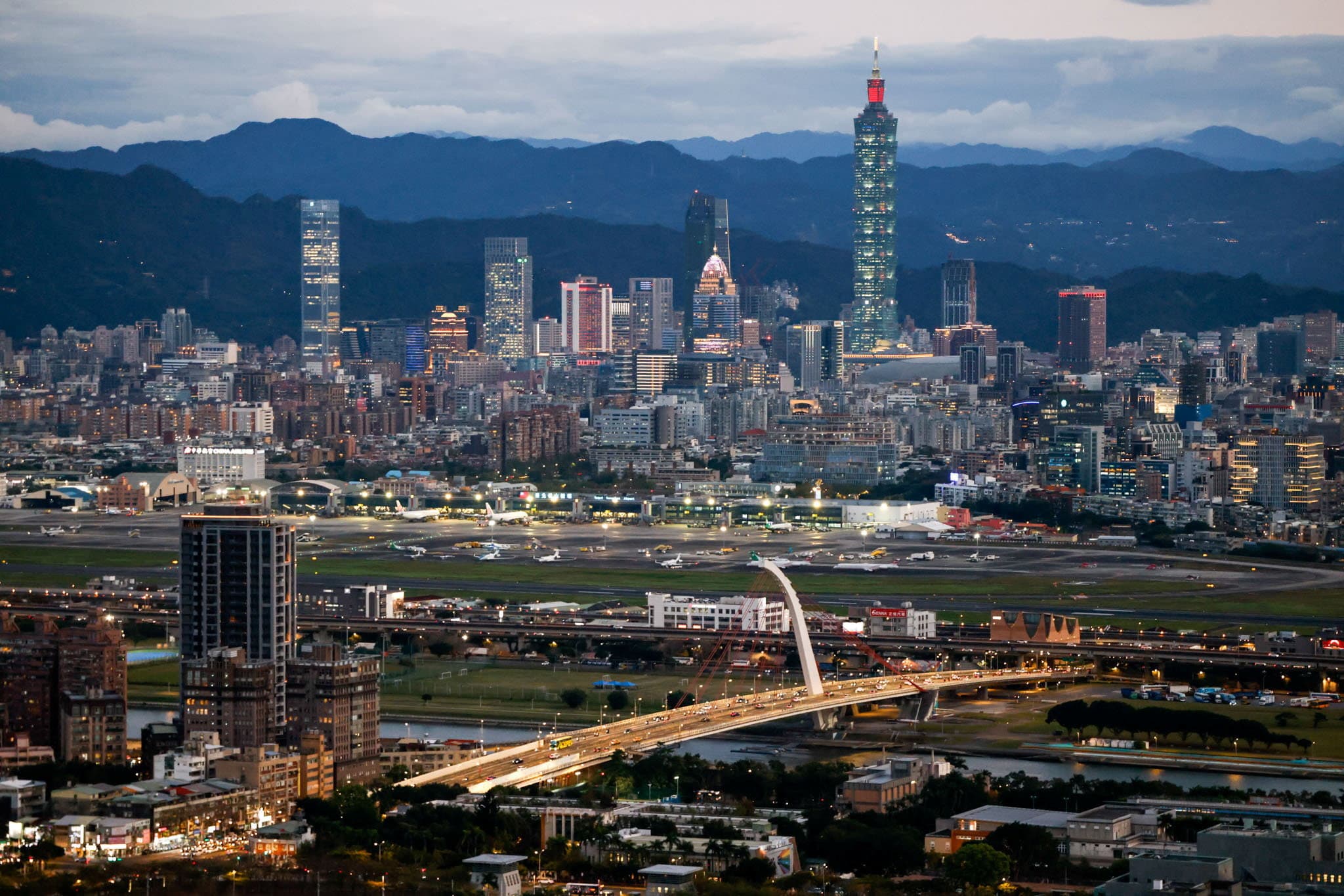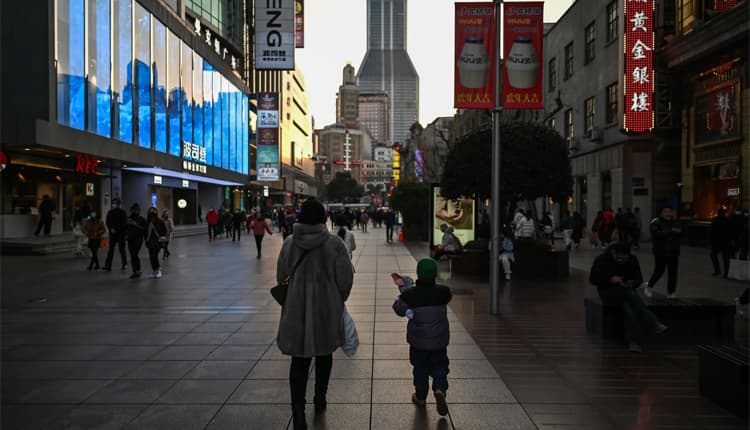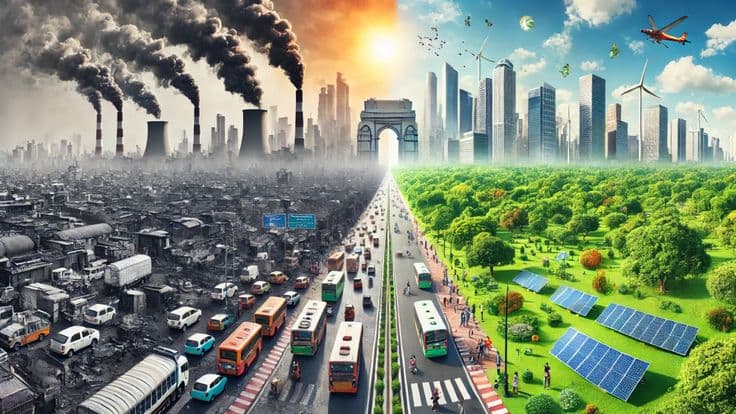
China continues to face growing environmental challenges as pollution and air quality issues trend across news reports and social media discussions. In recent weeks, several major Chinese cities have experienced periods of heavy smog and unhealthy air quality levels, raising concerns among citizens, environmental groups, and government officials. These pollution episodes highlight the ongoing struggle to balance economic growth with environmental protection in the world’s second-largest economy.
Air pollution in China is mainly caused by industrial emissions, coal-powered energy production, vehicle exhaust, and construction activity. During certain seasons, particularly winter and early spring, weather conditions such as weak winds and temperature inversions trap pollutants close to the ground. As a result, particulate matter known as PM2.5 — extremely fine particles that can penetrate deep into the lungs — rises to dangerous levels. Health experts warn that prolonged exposure to these particles can increase the risk of respiratory diseases, heart problems, and other serious health issues.
In cities like Beijing, Tianjin, and parts of northern China, residents recently reported hazy skies and reduced visibility. Air quality index (AQI) readings in some areas moved into the “unhealthy” category, prompting public advisories encouraging people to limit outdoor activities. Schools and workplaces in certain districts advised students and employees to reduce outdoor exposure during peak pollution hours.