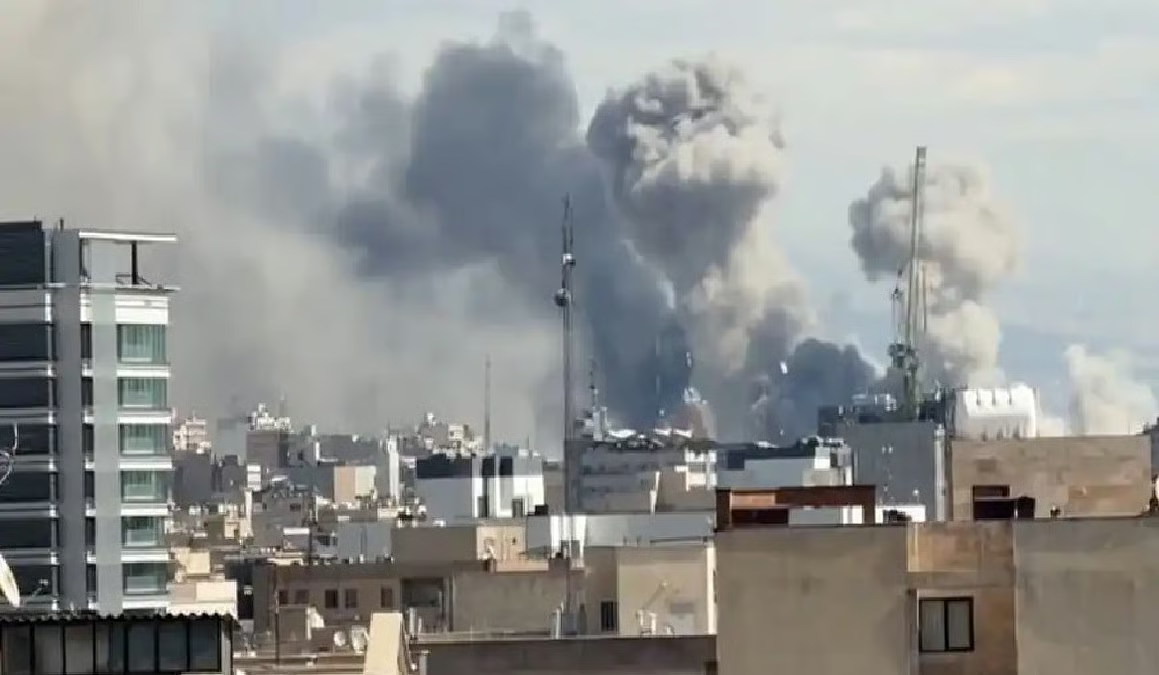
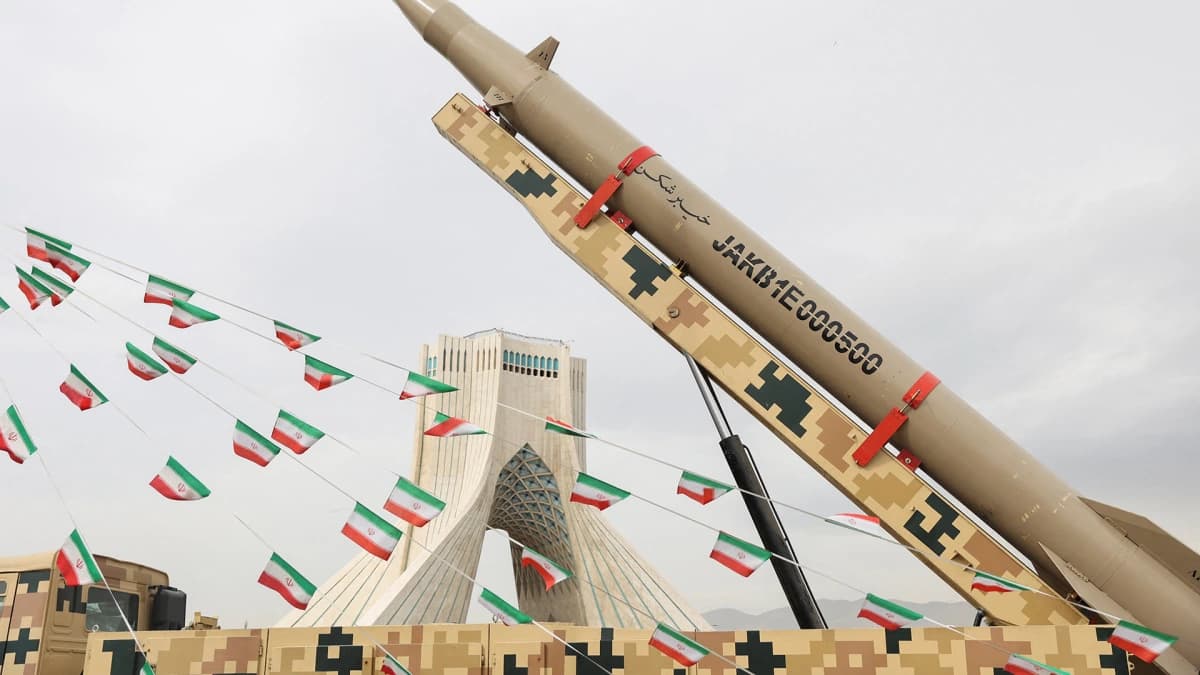
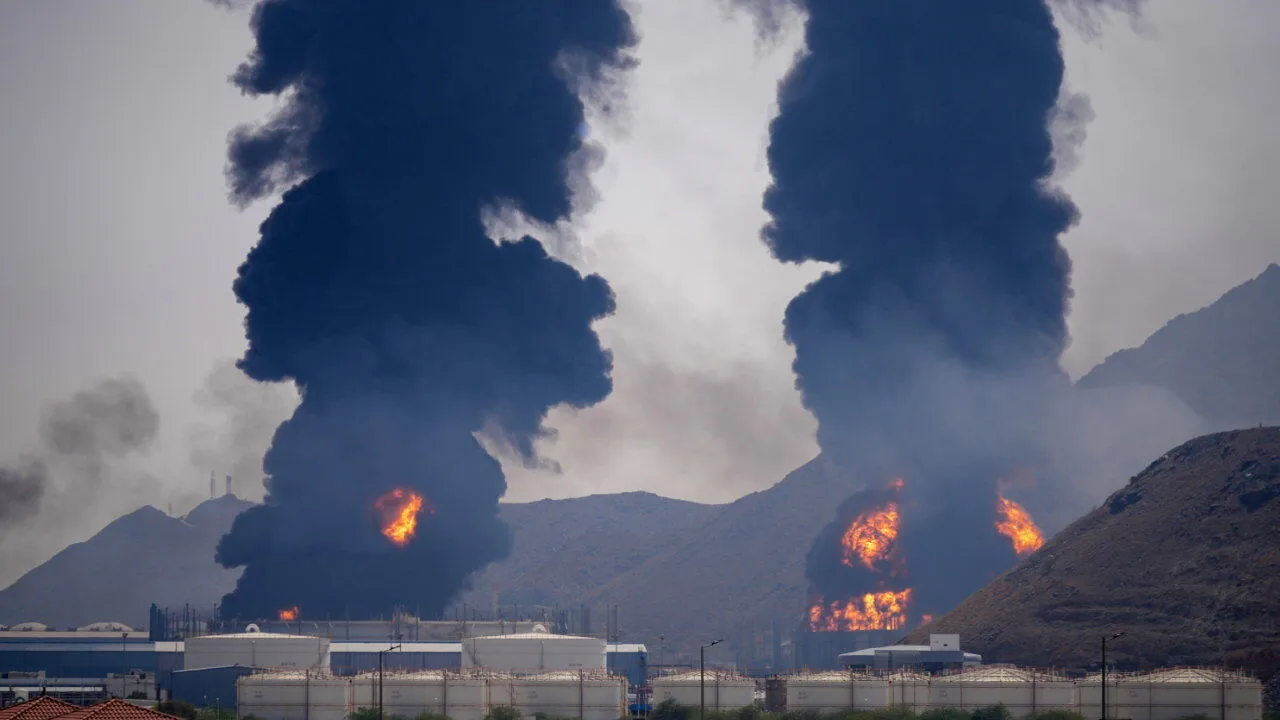
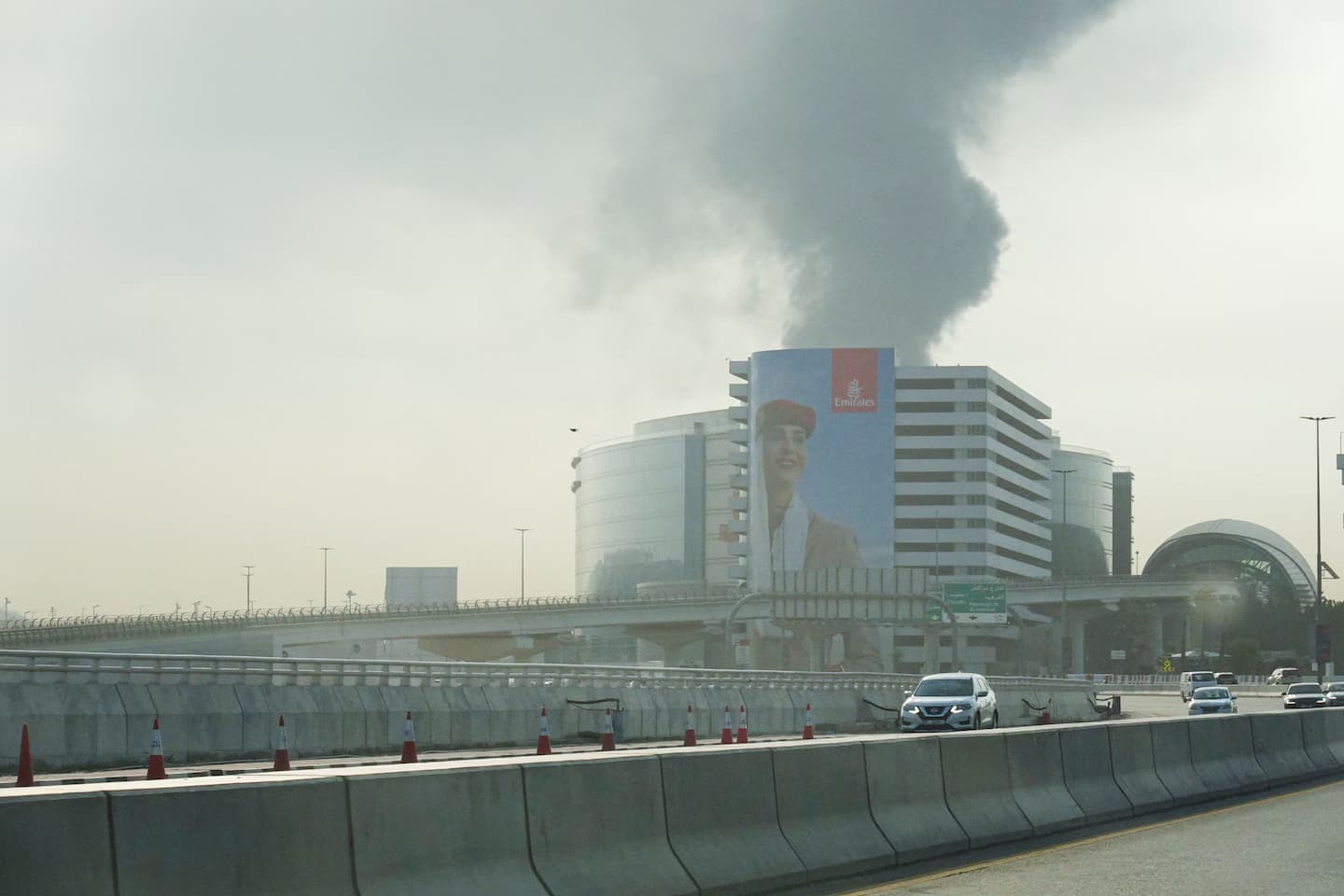
Escalating tensions in the Middle East have taken a dramatic turn after Iran launched a series of attacks targeting commercial ships, energy infrastructure, and areas near the Dubai International Airport. The strikes have raised serious concerns about regional security and the stability of global energy supplies, particularly as the conflict involving Iran, Israel, and the United States intensifies.
According to international reports, Iranian drones struck areas near Dubai’s airport, injuring several people but not forcing a shutdown of the busy aviation hub. The airport, one of the world’s largest international travel centers, continued operations despite the incident, though regional aviation has experienced disruptions and heightened security measures.
The attacks also extended to maritime routes in the Persian Gulf. A cargo vessel traveling near the strategically critical Strait of Hormuz was reportedly hit by a projectile, causing a fire and forcing many crew members to abandon the ship. Maritime authorities later confirmed rescue efforts for the crew, although some members were reported missing.
The Strait of Hormuz is one of the most vital shipping lanes in the world, with nearly one-fifth of global oil shipments passing through the narrow waterway each day. Disruptions in this region have quickly triggered fears of an energy crisis, as the attacks threaten oil transportation from the Gulf to international markets.
Iran’s military command has also warned that financial institutions and economic infrastructure in several Gulf states could become potential targets. The announcement has heightened concerns among global investors and energy markets, particularly in cities such as Dubai, Bahrain, and parts of Saudi Arabia that host major financial and energy facilities.
Energy analysts warn that the situation could significantly impact global oil prices if the conflict escalates further. Even minor disruptions in the Strait of Hormuz can send shockwaves through global markets, given the region’s central role in the world’s oil supply chain.
As diplomatic efforts continue behind the scenes, governments and international organizations are closely monitoring developments in the Gulf. With shipping routes, aviation hubs, and energy infrastructure under threat, the unfolding crisis has become one of the most critical geopolitical challenges facing the global economy today.