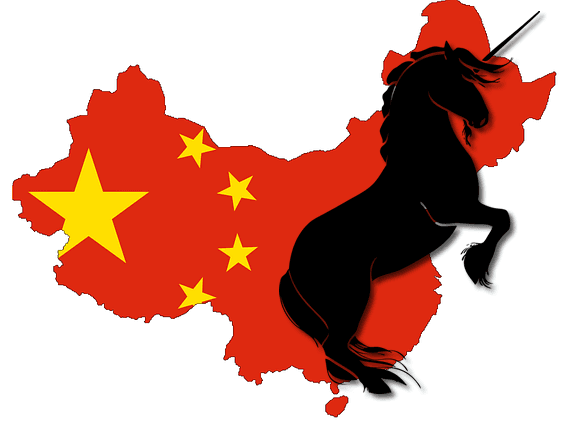
China has unveiled an ambitious five-year roadmap aimed at accelerating its technological development and strengthening its position in the global innovation race. The strategy places emerging technologies such as artificial intelligence, robotics, and advanced manufacturing at the heart of the country’s economic transformation. By integrating these sectors into its industrial and strategic framework, Beijing is signaling that technological leadership is not only an economic priority but also a matter of national security and global influence.
The announcement was made during the annual meeting of the National People’s Congress in Beijing, where Premier Li Qiang outlined the government’s plan to intensify research and rapidly translate scientific breakthroughs into large-scale industrial applications. The roadmap focuses on key sectors including artificial intelligence, robotics, space exploration, high-tech manufacturing, and resilient supply chains. Officials believe that strengthening these fields will help China move further up the global value chain while reducing dependence on foreign technology.
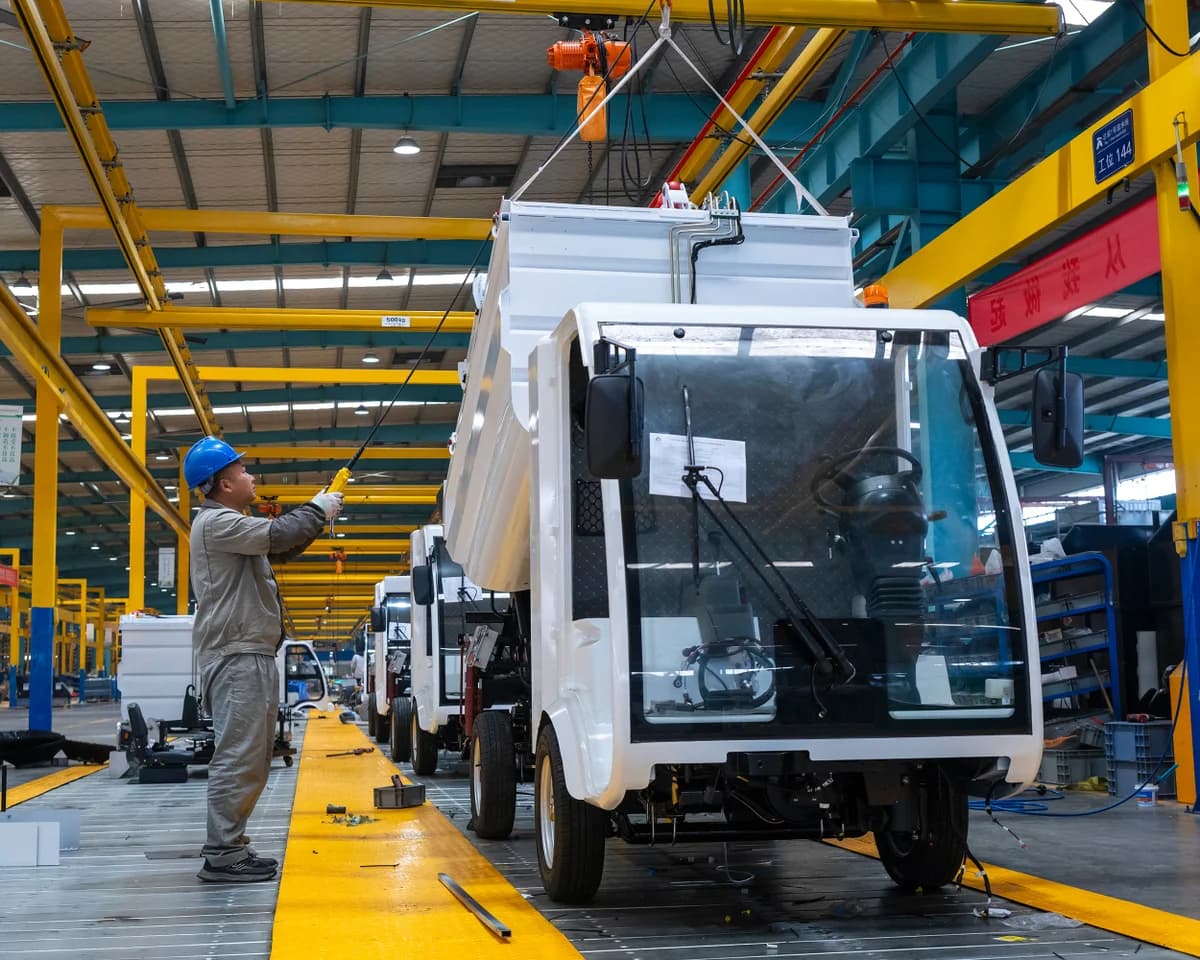
According to policymakers, technological development will be deeply embedded in China’s future economic structure. Investments will support innovation hubs, technology startups, and state-backed enterprises that can drive large-scale advancements. The initiative also aims to expand the use of AI and automation across logistics, manufacturing, transportation, and defense systems, reflecting Beijing’s broader strategy to position technology as a pillar of national strength and sovereignty.
However, the strategy comes at a time when China is facing several economic challenges. Analysts point to structural pressures such as slowing consumer spending, rising debt levels, and uneven economic growth between urban and rural regions. In response, Beijing appears to be shifting its growth model. Rather than relying primarily on domestic consumption, the government is betting that technological innovation and industrial modernization will become the key engines of long-term economic stability.
The plan also highlights intensifying global competition, particularly with the United States. Both nations are investing heavily in advanced technologies including artificial intelligence, quantum computing, semiconductors, and clean energy. While the United States maintains a strong advantage in areas such as semiconductor manufacturing and financial infrastructure, China is seeking to narrow the gap through large-scale public investment and strategic industrial policies.
Experts believe the new roadmap could trigger a surge in funding for research institutions, universities, and technology companies across the country. This wave of investment is expected to accelerate innovation and strengthen China’s domestic technology ecosystem. At the same time, it may also intensify geopolitical tensions related to trade restrictions, tariffs, and intellectual property disputes between the world’s two largest economies.
Looking ahead, China’s technology push is likely to shape both its domestic economy and the global technological landscape. In the short term, rapid expansion of AI and automation may transform industries such as logistics, manufacturing, and defense. Over the medium term, the success of the strategy could help stabilize economic growth, though some analysts warn that heavy reliance on technology investment may widen economic inequality if consumer demand remains weak.
In the long run, many observers believe that the evolving technology rivalry between China and the United States could become one of the defining dynamics of the 21st-century global economy. As nations compete for leadership in innovation, the race for technological supremacy may ultimately determine the future balance of economic and geopolitical power.