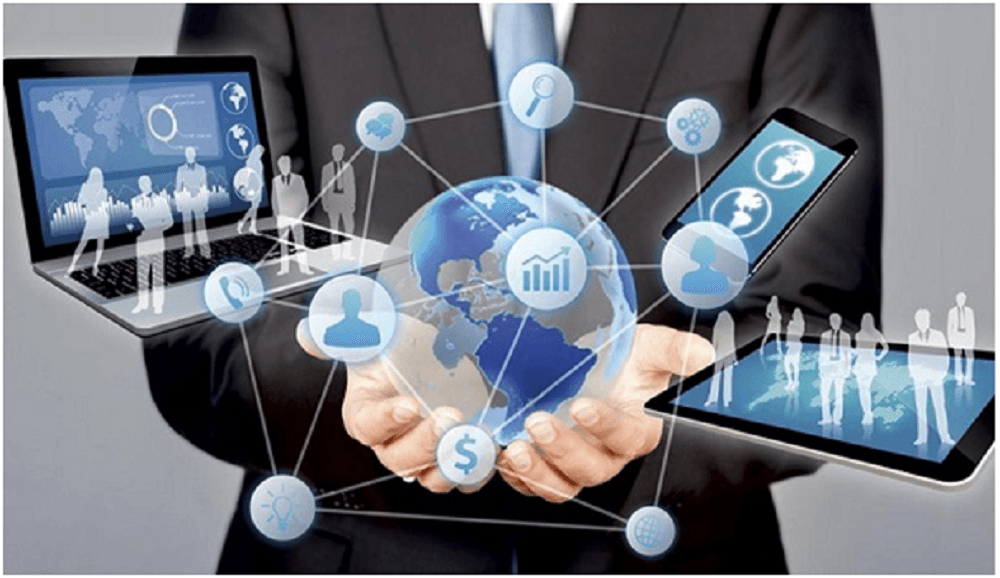
Introduction Software and applications are the backbone of the digital age. From powering smartphones to driving artificial intelligence, they shape how individuals, businesses, and societies interact with technology. In 2026, the line between traditional software and modern applications has blurred, as cloud computing, mobile platforms, and AI integration redefine what software can achieve.
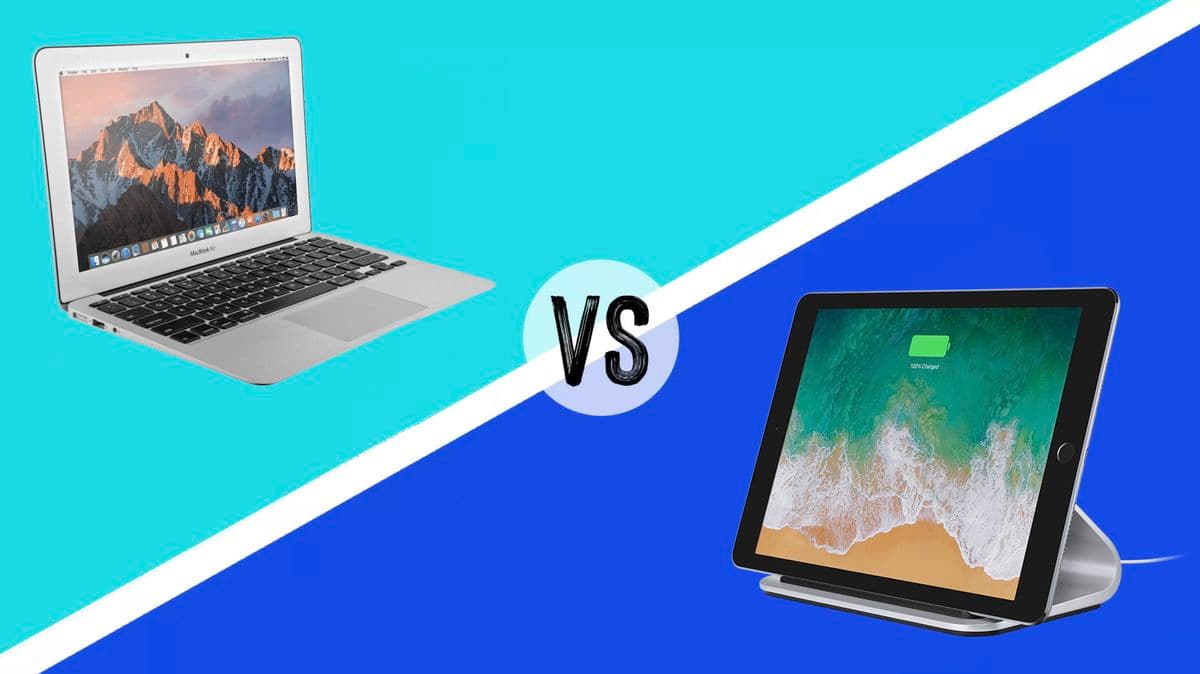
Evolution of Software Historically, software was installed locally on desktops and servers. Today, the shift toward cloud-based solutions allows users to access tools anywhere, anytime. This evolution has enabled scalability, real-time collaboration, and reduced infrastructure costs. Platforms like Microsoft 365, Google Workspace, and enterprise SaaS products exemplify this transformation.
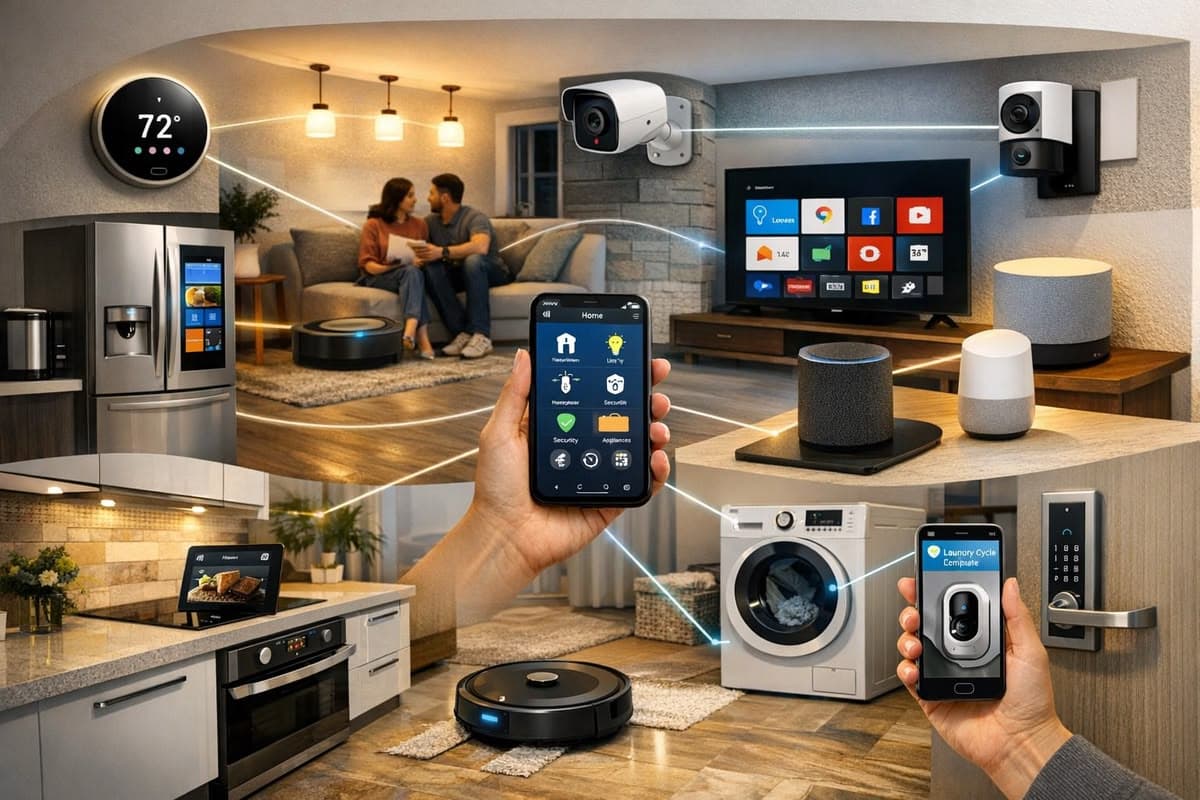
Applications in Everyday Life Applications—or “apps”—have become indispensable. Mobile apps drive communication, commerce, and entertainment. Social platforms, fintech apps, and health trackers illustrate how software integrates seamlessly into daily routines. The rise of super apps in Asia, combining messaging, payments, and shopping, highlights the trend toward multifunctional ecosystems.
AI and Automation Artificial intelligence is now embedded in most modern applications. From predictive text and personalized recommendations to advanced analytics, AI enhances user experience and efficiency. Businesses leverage AI-driven applications for customer support, cybersecurity, and supply chain optimization. Generative AI tools are also reshaping creative industries, offering new ways to produce content and innovate.
Security and Privacy Concerns As reliance on software grows, so do concerns about data privacy and cybersecurity. Applications must comply with stricter regulations like GDPR and India’s Digital Personal Data Protection Act. Developers are increasingly adopting zero-trust models and encryption standards to safeguard user information.
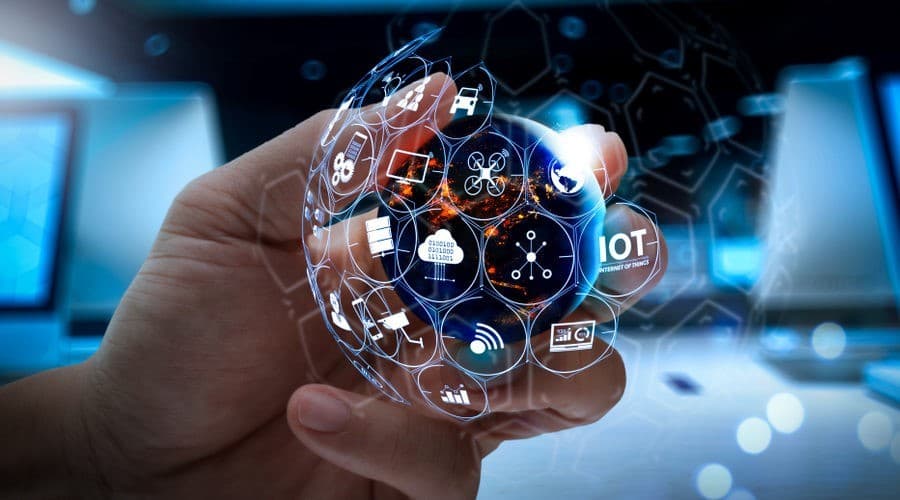
Future Outlook The next wave of software innovation lies in immersive technologies such as augmented reality (AR) and virtual reality (VR), alongside decentralized applications (dApps) powered by blockchain. These advancements promise to expand digital experiences beyond screens, creating interactive environments for work, education, and entertainment.
Conclusion Software and applications are no longer just tools—they are ecosystems that drive connectivity, productivity, and innovation. As technology continues to evolve, the challenge will be balancing convenience with security, and innovation with ethical responsibility. In this dynamic landscape, software remains the silent engine propelling society forward.