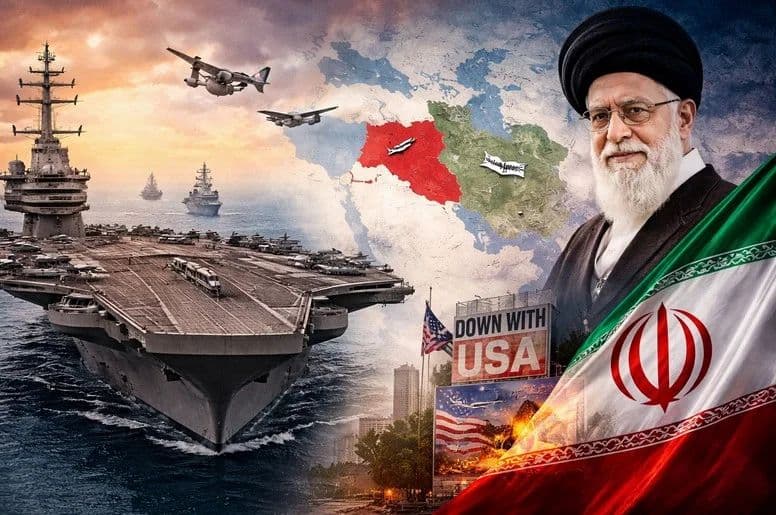
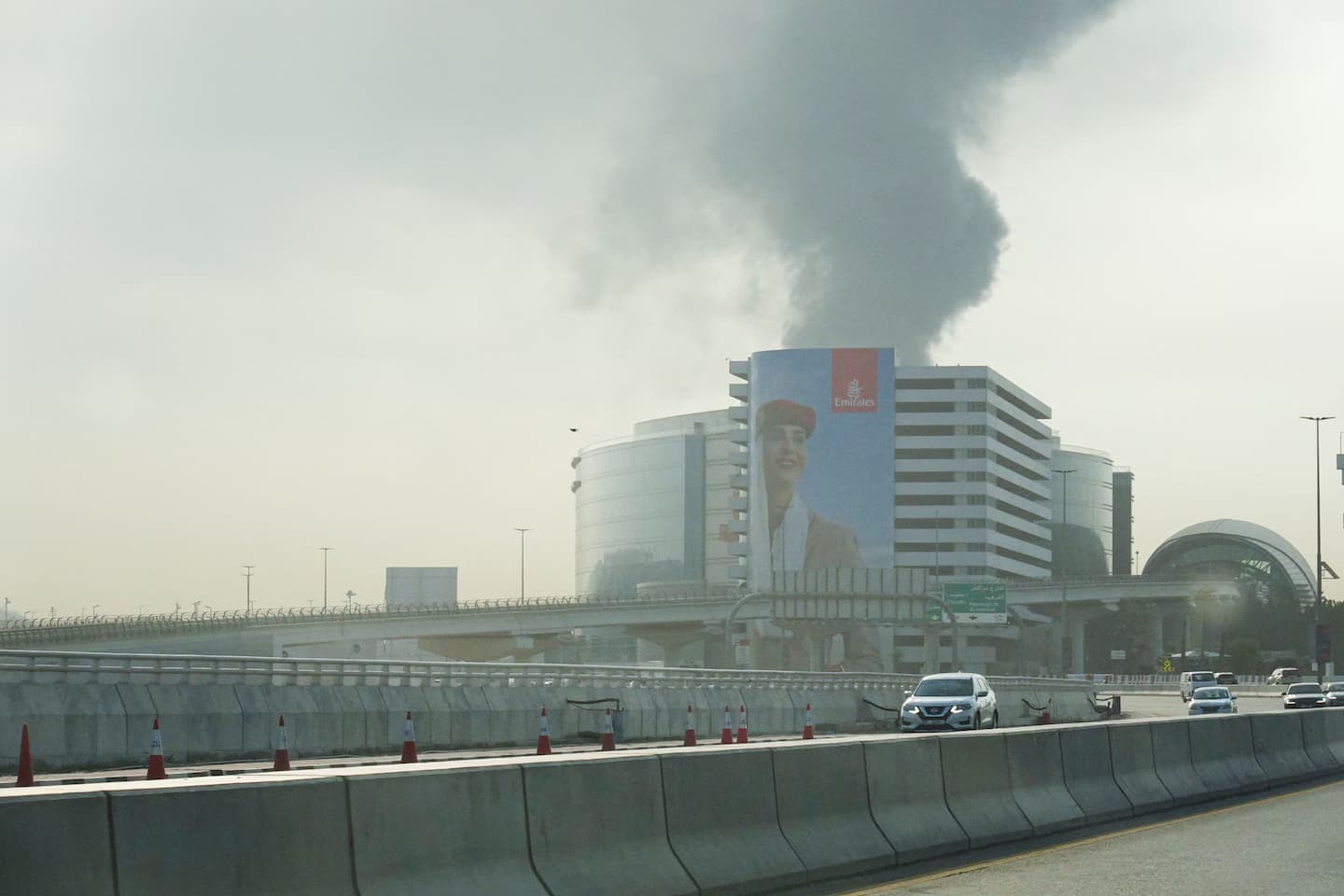
The ongoing tensions involving Iran have once again placed the Middle East at the center of global attention. While regional conflicts are not new, the ripple effects of instability involving a country as strategically important as Iran extend far beyond its borders. From energy markets to geopolitical alliances, the consequences are being felt worldwide.
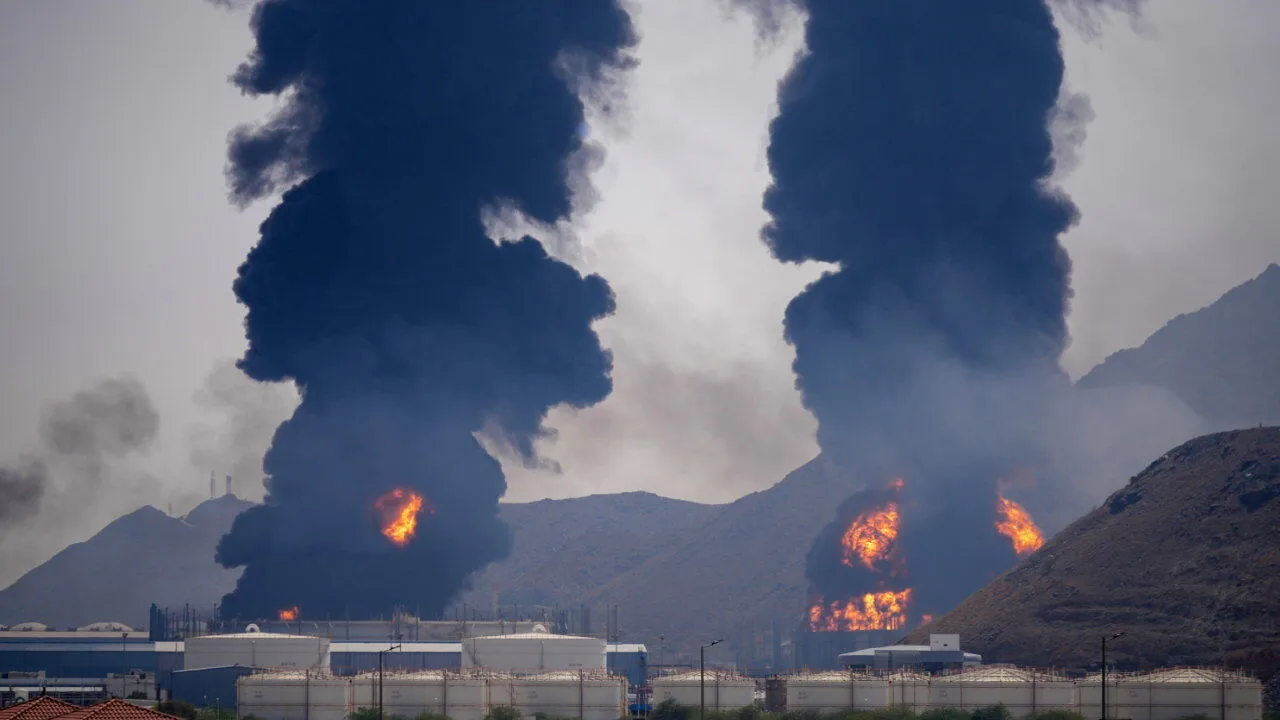
One of the most immediate effects is on global oil prices. Iran plays a significant role in energy supply routes, particularly around the Strait of Hormuz, a critical passage for international oil shipments. Any escalation in military activity creates fears of supply disruptions, which can drive crude oil prices higher. Rising energy costs impact transportation, manufacturing, and daily consumer goods, contributing to inflation across multiple countries.
Another major effect is economic uncertainty. Financial markets tend to react sharply to geopolitical instability. Stock markets often experience volatility as investors shift funds toward safer assets like gold or government bonds. For developing economies that depend heavily on imported fuel, increased oil prices can weaken currencies and strain national budgets.
Humanitarian concerns are also significant. Conflict situations often lead to displacement, disruption of essential services, and pressure on neighboring countries. Refugee movements can create additional social and economic challenges in already fragile regions. International organizations frequently step in to provide aid, but long-term stability requires diplomatic solutions rather than prolonged confrontation.
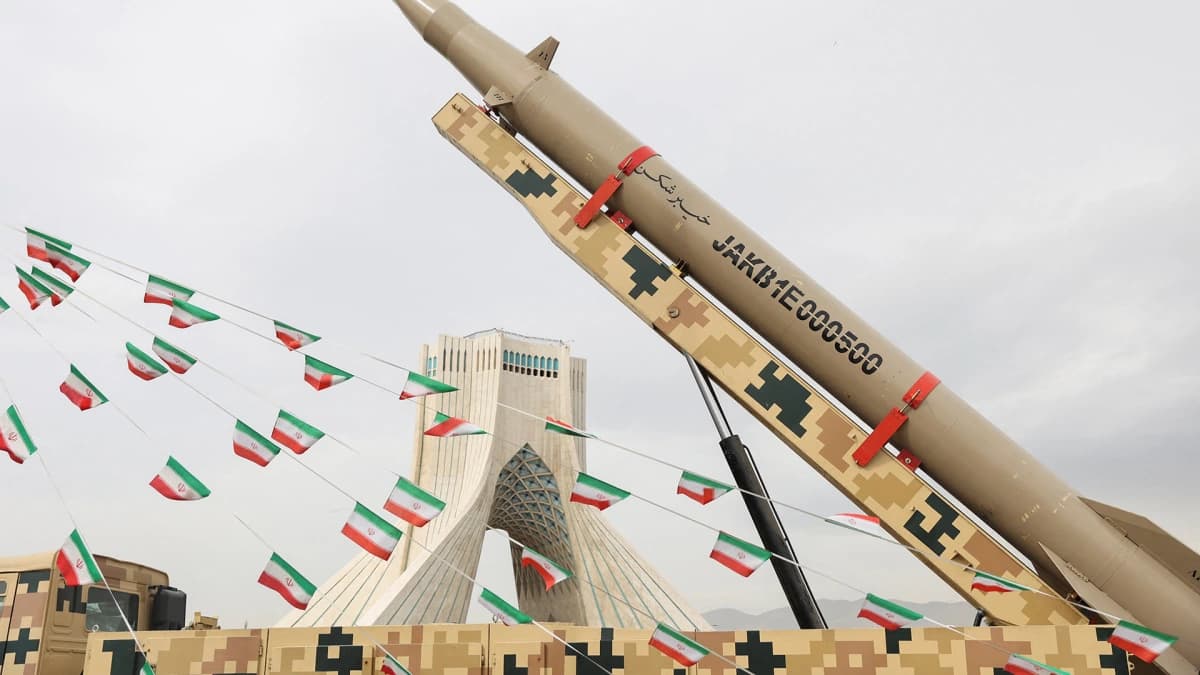
On a strategic level, the conflict influences global alliances and defense policies. Countries reassess security partnerships, increase defense spending, and strengthen military readiness. Diplomatic negotiations, sanctions, and international mediation efforts become central to preventing further escalation.
In addition, global trade routes may be affected. Shipping insurance costs often rise during periods of conflict, increasing overall trade expenses. Businesses that rely on international supply chains may face delays and higher operational costs.
The broader lesson is that modern conflicts are rarely confined to one region. In an interconnected world, political and military tensions quickly translate into economic and social consequences worldwide. Sustainable peace, therefore, remains not only a regional necessity but a global priority.