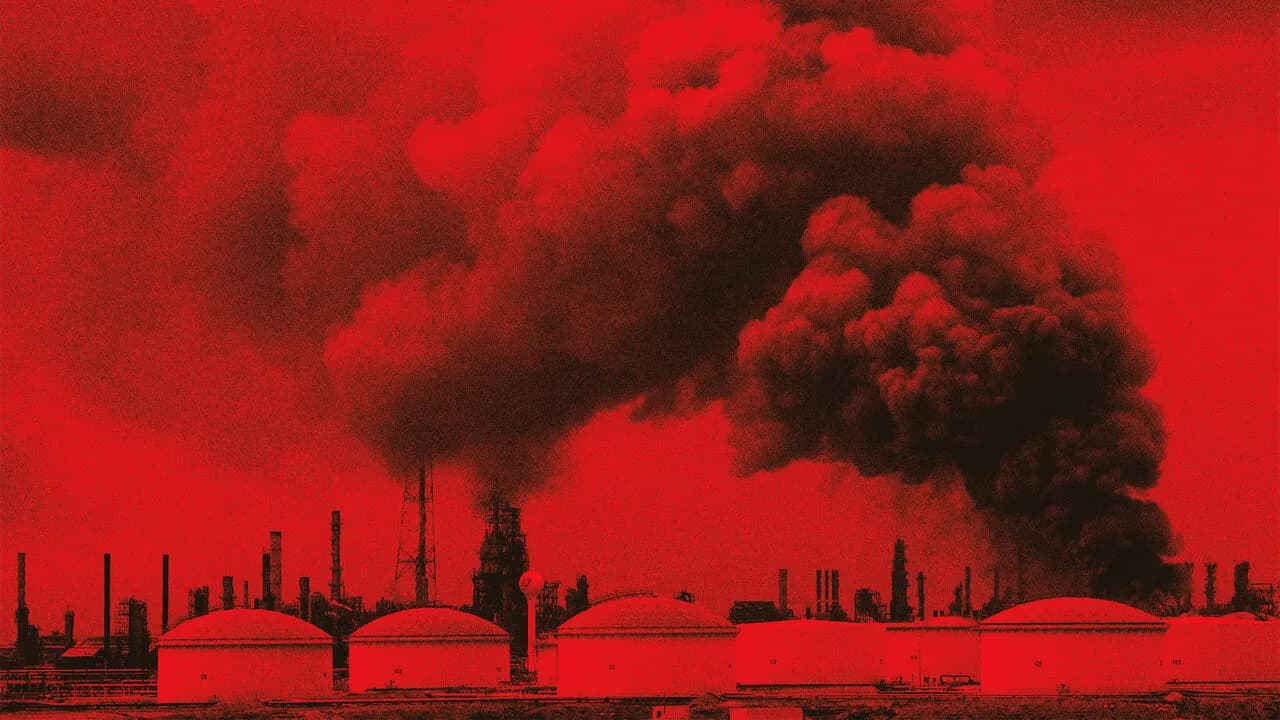
The global economy is currently experiencing a period of uncertainty as geopolitical conflicts, rising energy prices, and supply chain disruptions create new challenges for countries around the world. One of the major reasons behind this economic instability is the ongoing conflict in the Middle East, particularly the escalating tensions involving Israel and Iran. These developments have caused serious concerns in global financial markets and have affected the prices of essential commodities such as oil, food, and transportation.
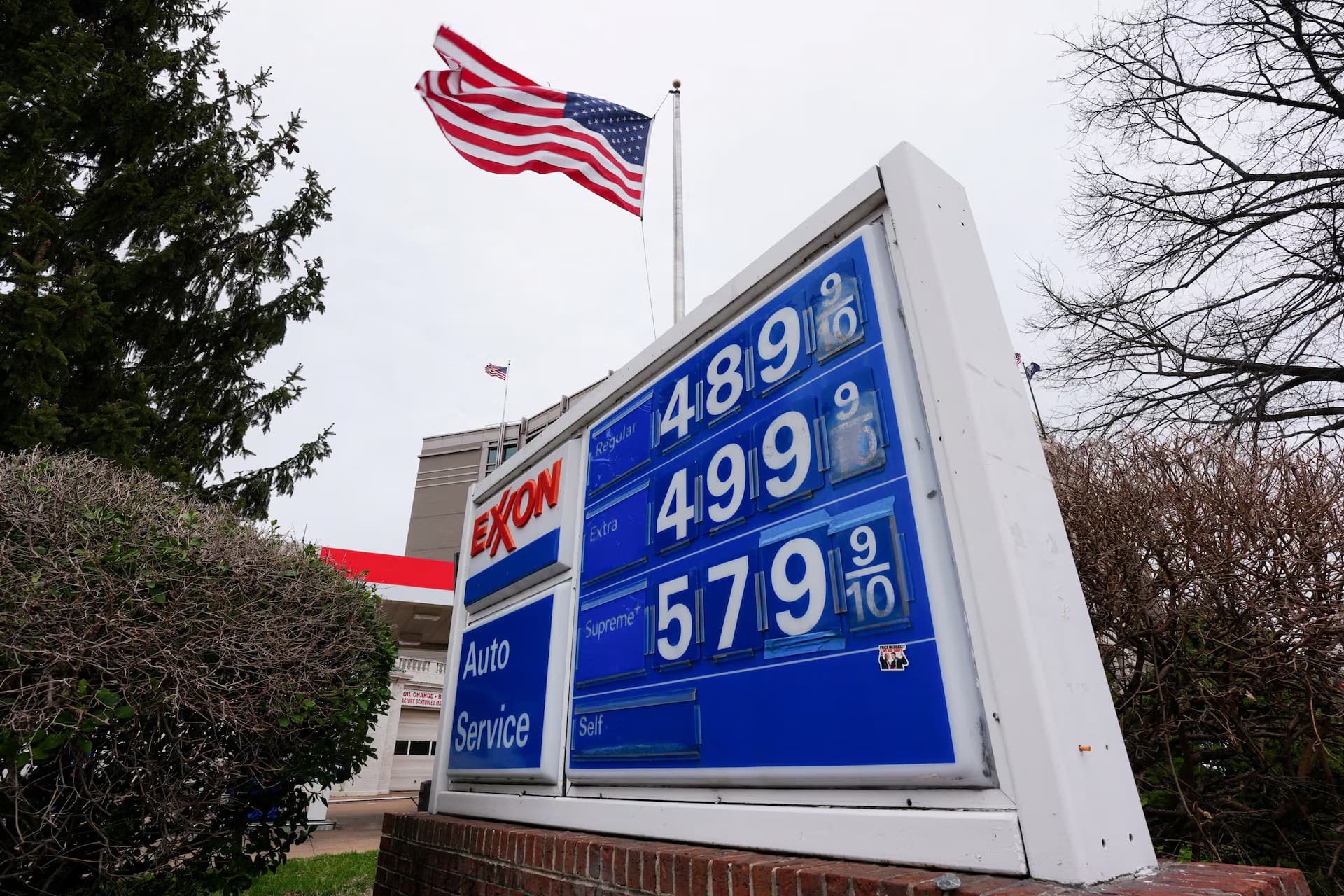
One of the most immediate impacts of the conflict has been the sharp rise in global oil prices. The Middle East is home to some of the world’s largest oil-producing countries, and the region plays a critical role in supplying energy to global markets. The Strait of Hormuz, a narrow but extremely important shipping route between the Persian Gulf and the Gulf of Oman, carries nearly one-fifth of the world’s oil supply. Any disruption in this route can significantly affect global energy availability. As tensions increase in the region, shipping companies and oil traders have become cautious, which has pushed fuel prices higher in many countries.
Higher oil prices have a direct effect on transportation, manufacturing, and agriculture. When fuel becomes more expensive, the cost of transporting goods also increases. As a result, businesses are forced to raise the prices of their products, which contributes to inflation. Many countries are already dealing with high inflation, and rising energy costs may make the situation even more difficult for consumers and businesses alike.