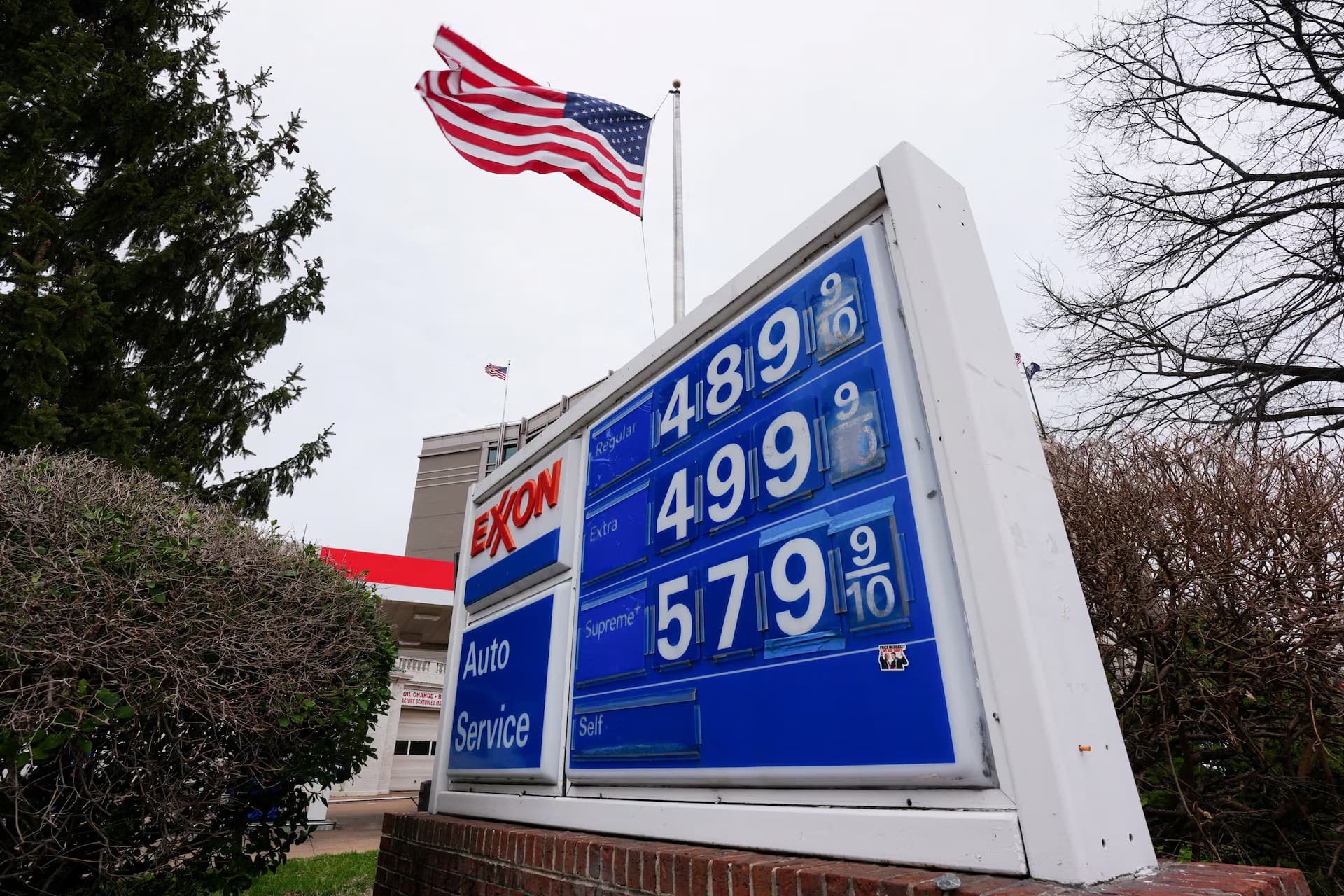
The average price of diesel fuel in the United States has recently crossed $5 per gallon, marking a significant rise that reflects the growing impact of geopolitical tensions in the Middle East. The increase is closely linked to the ongoing conflict involving the United States, Israel, and Iran, which has disrupted global energy supplies and raised concerns about the stability of international markets.
According to fuel market tracker GasBuddy, this is only the second time in history that the national average price of diesel in the United States has exceeded $5 per gallon. The previous time occurred in 2022, when global oil markets were heavily affected by Russia’s invasion of Ukraine. The current surge highlights how global conflicts can quickly influence fuel costs and economic conditions around the world.
The main reason for the increase in diesel prices is the disruption of oil shipments from the Middle East. Iran’s actions around the Strait of Hormuz, one of the world’s most important energy shipping routes, have slowed the flow of oil and refined fuels. Since a large portion of global diesel supplies normally pass through this region, any blockage or instability can immediately affect supply chains worldwide.