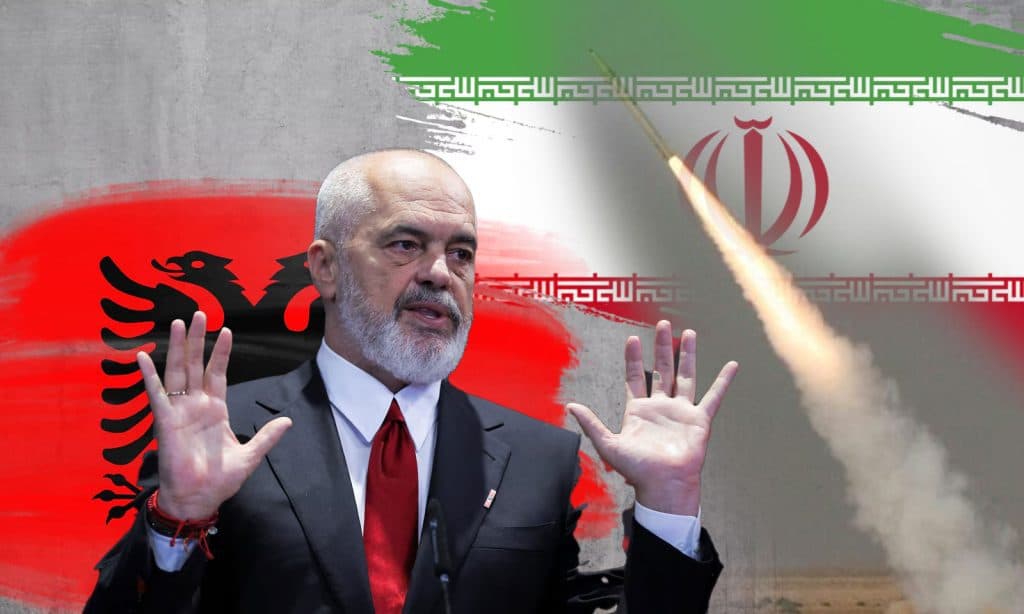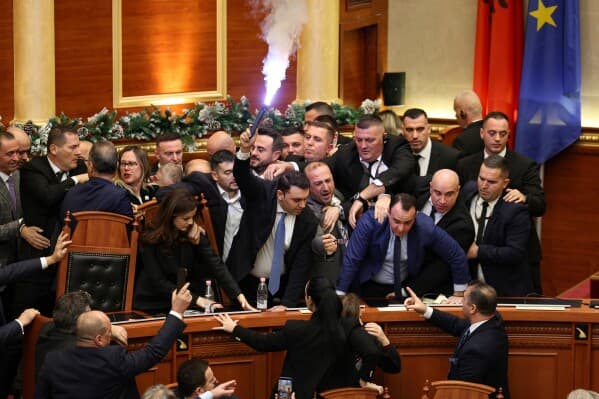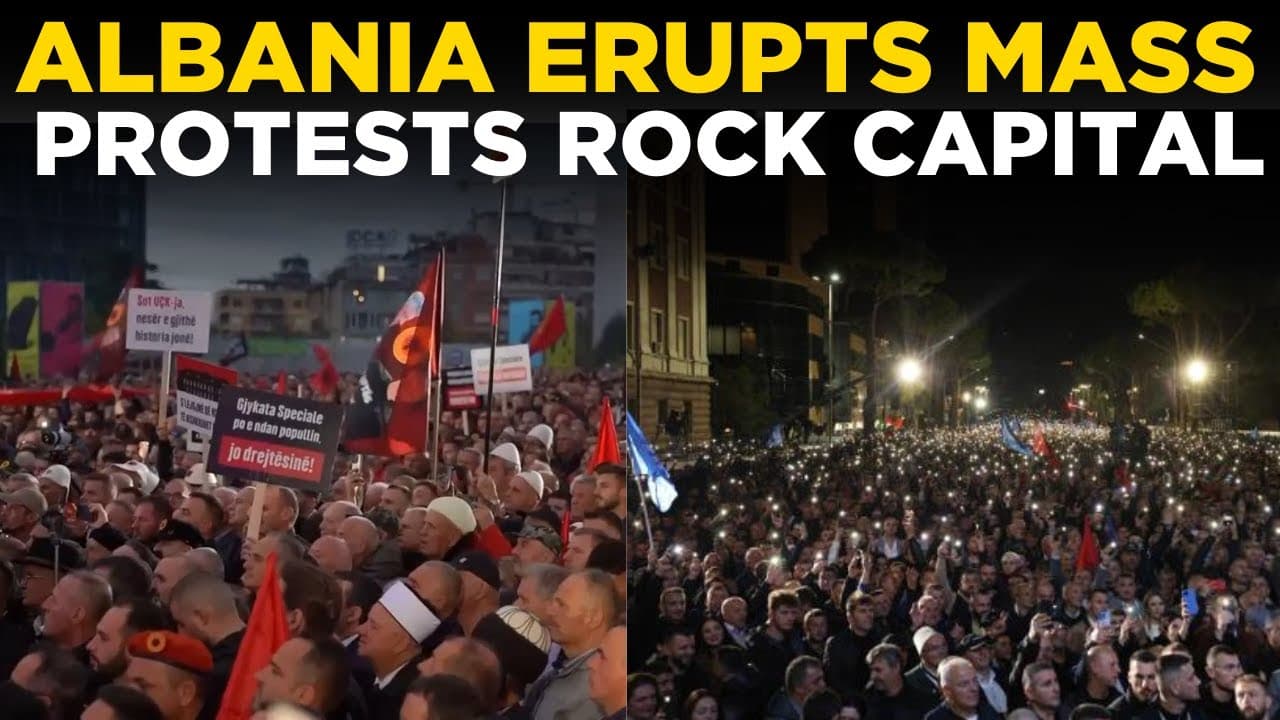
Albania has been experiencing significant political unrest in recent weeks, with large anti-government protests taking place in the capital city of Tirana. Thousands of demonstrators have taken to the streets demanding the resignation of Prime Minister Edi Rama and his government following allegations of corruption involving senior officials. The protests have occasionally turned violent, highlighting deep political tensions in the Balkan nation.
The demonstrations were organized mainly by the opposition Democratic Party and its supporters. Protesters gathered outside the parliament and government buildings, accusing the ruling administration of corruption and misuse of public funds. The unrest intensified after a corruption investigation targeted a senior government figure connected to infrastructure and energy projects. Critics claim the case reflects broader governance problems and lack of accountability within the administration.
During several protests, clashes broke out between demonstrators and police. Protesters threw fireworks, flares, and even Molotov cocktails toward government offices, while riot police responded with tear gas and water cannons to disperse the crowds. Authorities reported that multiple police officers were injured and several protesters were arrested during the confrontations.