Political tensions have intensified in Tirana after the suspension of Deputy Prime Minister Belinda Balluku, a move that has sparked strong reactions from opposition parties and ignited fresh debates within the country’s parliament. The development has added new uncertainty to the political landscape of Albania at a time when the government is already facing scrutiny over proposed legal reforms.
The suspension of Balluku was announced following allegations related to administrative and procedural issues connected with government operations. While officials have described the decision as a temporary administrative measure pending further review, opposition leaders have criticized it as evidence of deeper problems within the ruling administration. Several opposition lawmakers argue that the government must provide greater transparency regarding the circumstances that led to the decision.
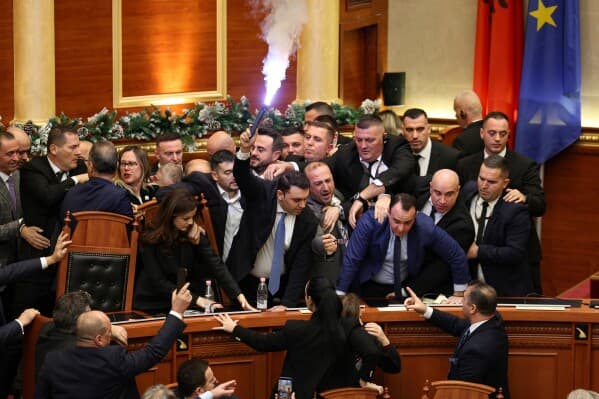
Political analysts say the situation has quickly evolved into a broader political confrontation. Members of opposition parties have called for parliamentary investigations and have demanded clear explanations from senior government officials. Protests and public statements from political groups have also increased pressure on the ruling coalition.
At the same time, a separate but related controversy has emerged over proposed amendments to the country’s Criminal Procedure Code. The government claims the reforms are necessary to modernize the judicial system and align legal procedures with European standards, particularly as Albania continues its efforts toward closer integration with the European Union.
However, critics argue that some of the proposed changes could weaken judicial independence or limit certain procedural safeguards. Heated discussions have taken place in parliamentary sessions, with lawmakers debating whether the reforms would strengthen or undermine the rule of law.
The debate has further intensified the already fragile political environment in Tirana. Supporters of the government maintain that reforms are essential for improving efficiency in the justice system and combating corruption. Opposition leaders, however, insist that any major legal changes should undergo wider consultation and public scrutiny.
As political tensions continue to rise, the situation is being closely watched both domestically and internationally. The coming weeks are expected to be crucial as investigations into the deputy prime minister’s suspension progress and parliament continues deliberations on the controversial legal reforms. Observers believe the outcome could significantly shape Albania’s political direction in the months ahead.