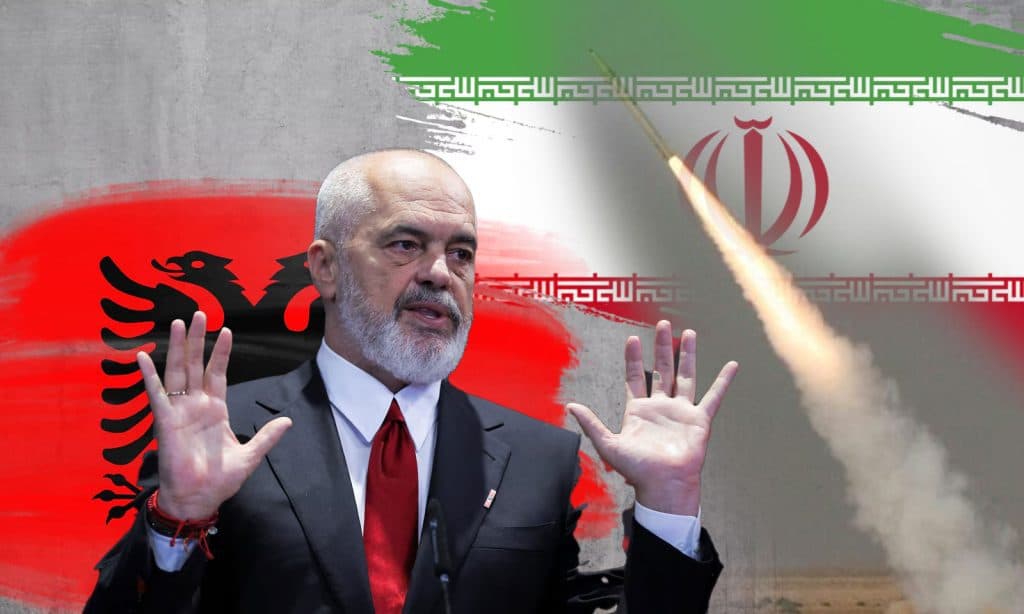
Tensions escalated in the Albanian capital of Tirana after anti-government protests turned violent, leading to the arrest of at least 13 demonstrators. The unrest erupted outside the Prime Minister’s office and near the Parliament building as protesters demanded the resignation of Edi Rama amid growing anger over corruption allegations involving senior government officials.
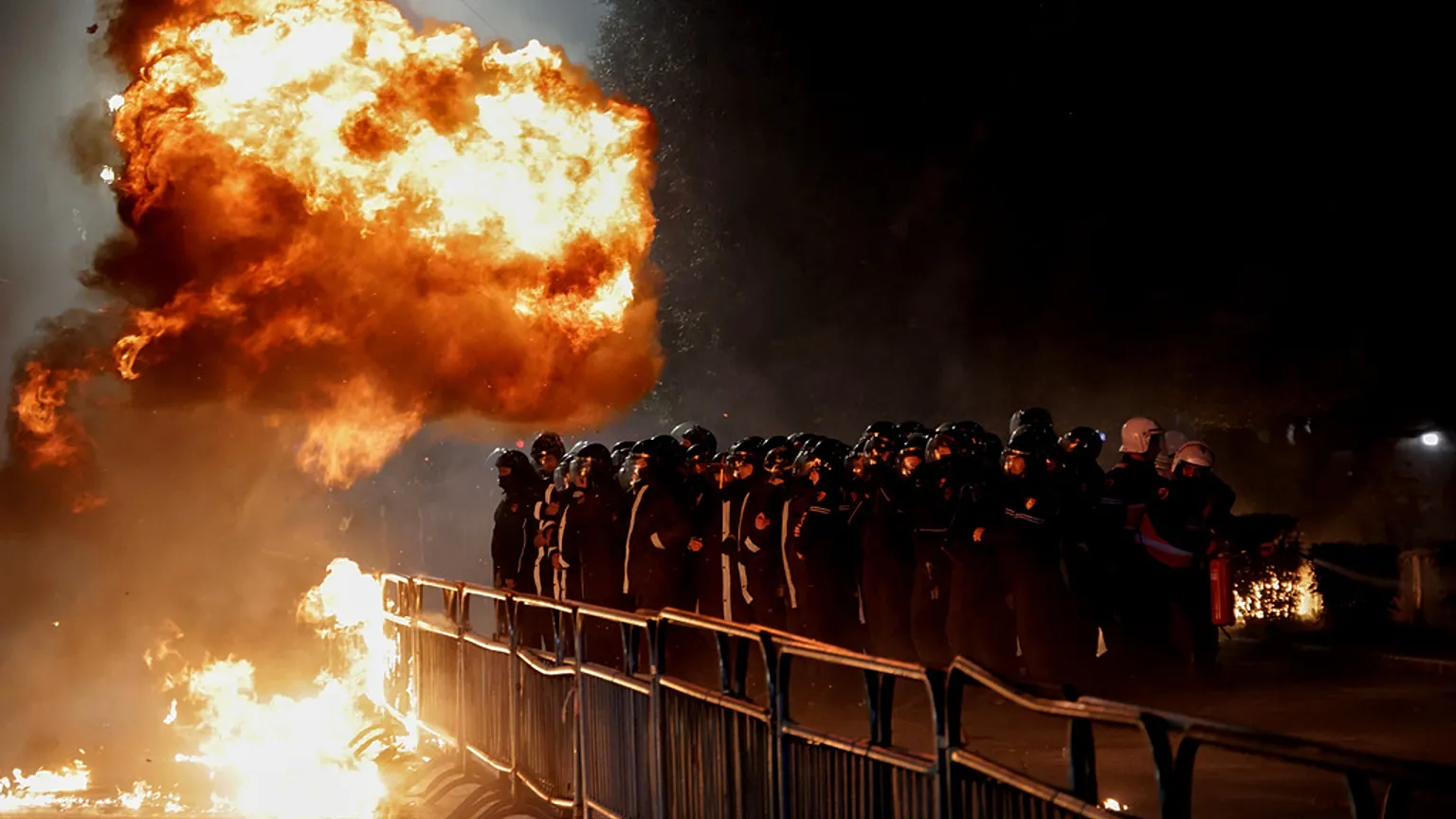
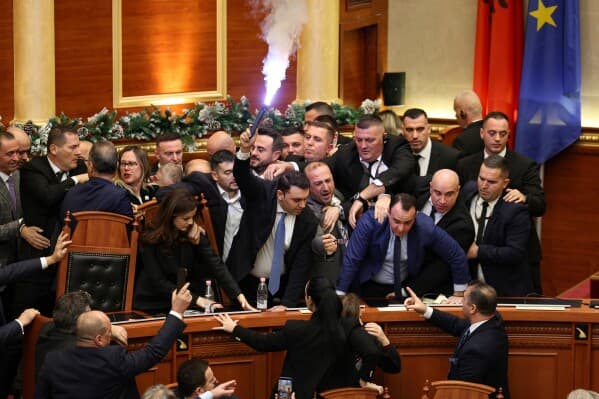
What began as a demonstration against alleged corruption quickly intensified into clashes between protesters and police forces. Demonstrators gathered in large numbers, accusing the government of failing to address corruption and governance concerns. As tensions rose, some protesters threw Molotov cocktails, flares, and fireworks toward security personnel. In response, police deployed water cannons and tear gas to disperse the crowd and restore order in the area.
Authorities confirmed that at least 13 people were detained during the confrontation. Security forces also increased their presence around key government institutions in Tirana to prevent further escalation. Despite the police response, protesters continued chanting slogans demanding political accountability and calling for leadership changes within the government.
The protests were largely fueled by allegations of corruption involving high-ranking officials, including claims connected to Belinda Balluku. These accusations have intensified public frustration over transparency, economic pressures, and governance issues in the country. While many citizens initially gathered to peacefully express their concerns, the demonstrations quickly turned volatile as confrontations with police escalated.
Political analysts suggest that the unrest reflects growing dissatisfaction among segments of the population and highlights increasing pressure on the government. Opposition parties and civic groups have also amplified their calls for reform and accountability, arguing that stronger measures are needed to address corruption and restore public trust.
The situation is also being closely watched internationally as Albania continues its efforts toward closer integration with the European Union. Political instability and corruption concerns could potentially influence the pace of the country’s ongoing accession process.
Looking ahead, further demonstrations are expected as opposition groups signal continued mobilization. The protests underline the challenges facing Albania’s political leadership as the government works to address public concerns while maintaining stability in the capital.