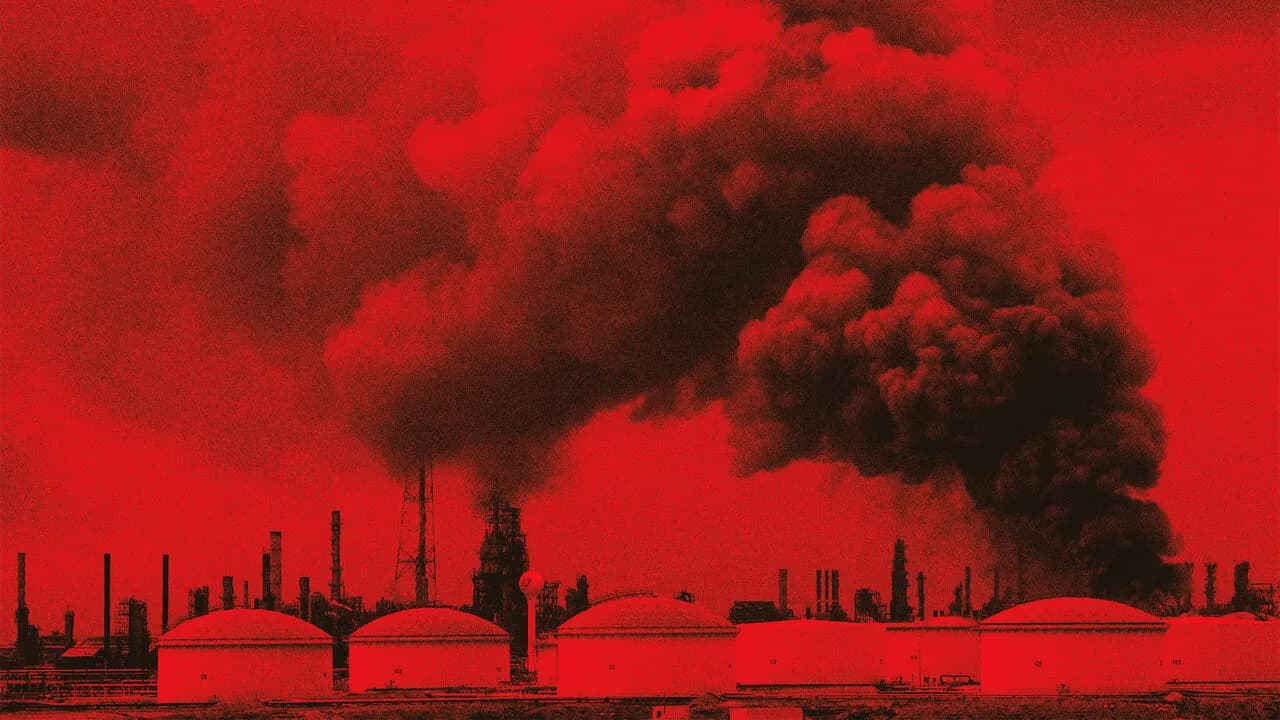
Global oil prices have spiked sharply in recent weeks as escalating conflict in the Middle East disrupts shipping routes and energy exports. The turmoil has created significant uncertainty in global energy markets, pushing crude oil benchmarks to their highest levels in months.
Analysts note that the instability in the region has led to interruptions in the transport of oil through key maritime channels, particularly the Strait of Hormuz and Red Sea routes. These disruptions have tightened supply chains, fueling concerns among import-dependent nations. Brent crude and West Texas Intermediate (WTI) futures both recorded double-digit percentage increases, reflecting heightened market volatility.
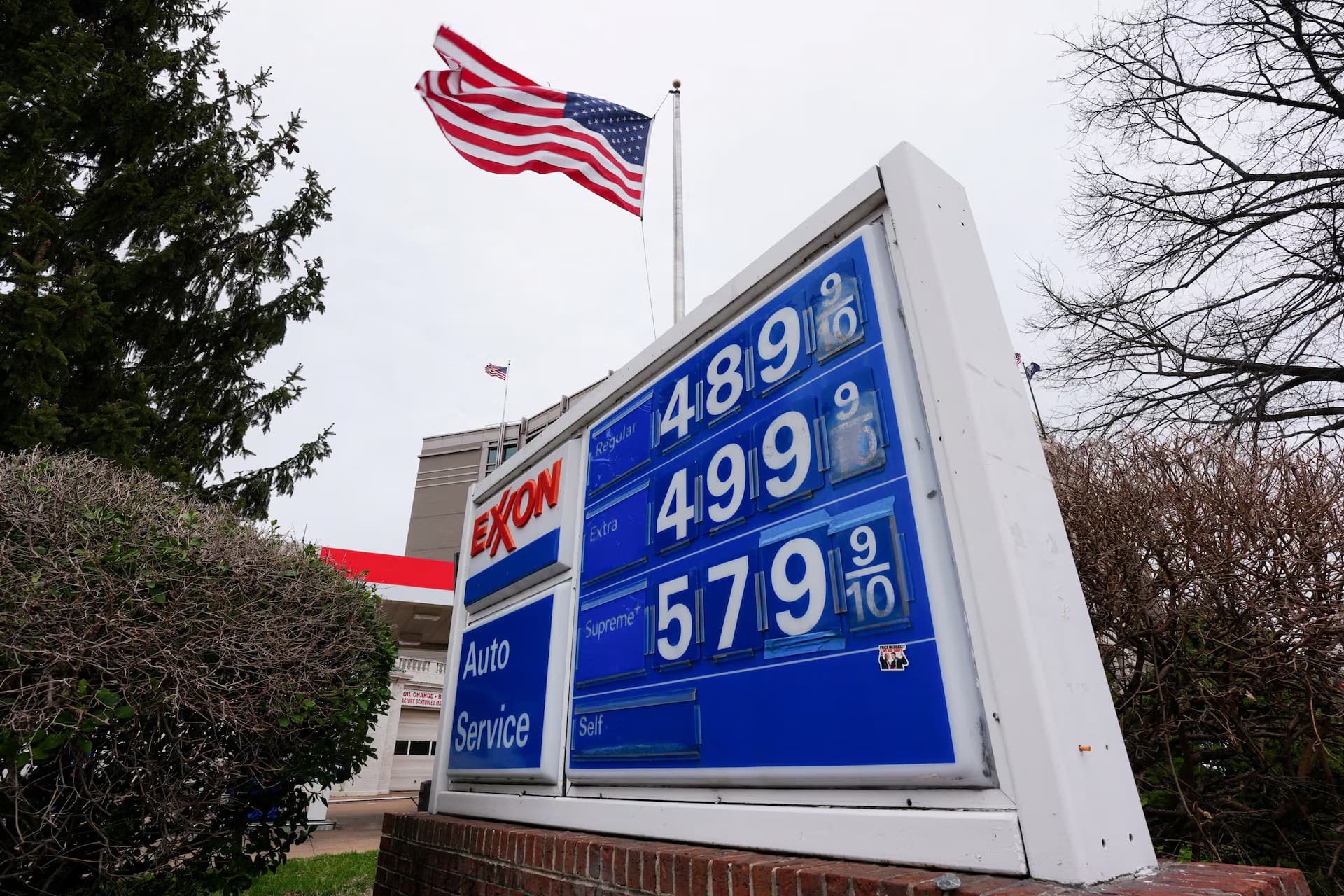
Experts warn that if the situation persists, the ripple effects could be severe. Higher oil prices often translate into increased fuel costs, which in turn drive inflation across multiple sectors. Countries heavily reliant on imported energy—such as India, Japan, and several European nations—may face mounting economic pressure. Rising transportation and manufacturing costs could strain household budgets and slow economic growth.