Global oil markets are experiencing sharp volatility as escalating tensions in the Middle East disrupt critical energy supply routes. The recent geopolitical crisis involving Iran and Israel has heightened concerns about the security of oil shipments through the strategically vital Strait of Hormuz, one of the world’s most important maritime corridors for energy trade.
The Strait of Hormuz handles nearly one-fifth of global oil transportation, making it a key artery for international energy markets. Any disruption in this narrow waterway can quickly send shockwaves through the global economy. In recent days, heightened military tensions and security threats near the route have led to fears of potential supply interruptions, pushing crude oil prices sharply higher.
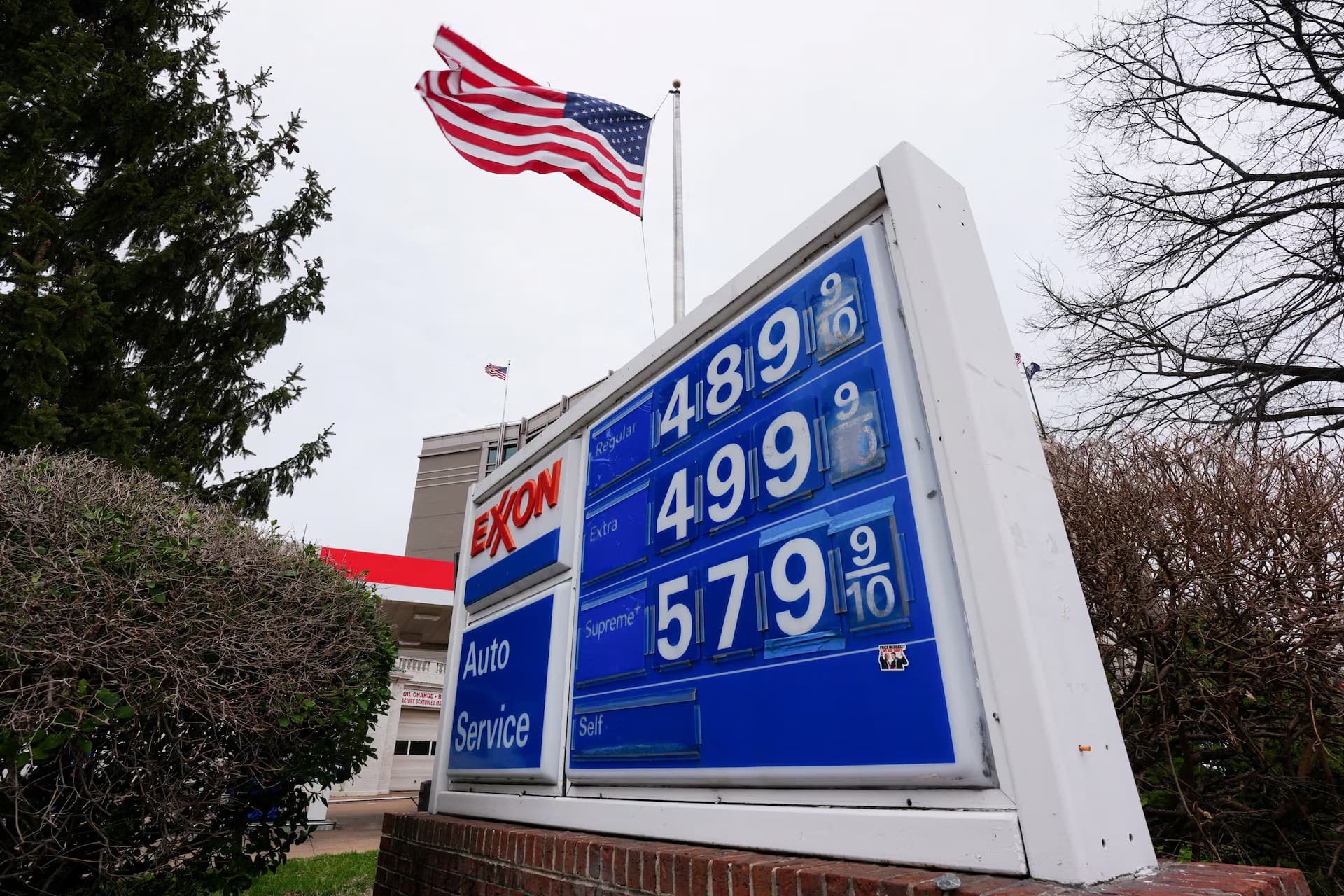
Benchmark crude prices have surged in response to the uncertainty. The global benchmark Brent crude oil recently climbed above $100 per barrel, marking one of its highest levels in several years. Energy analysts warn that continued instability in the region could push prices even higher, affecting transportation, manufacturing, and consumer costs worldwide.