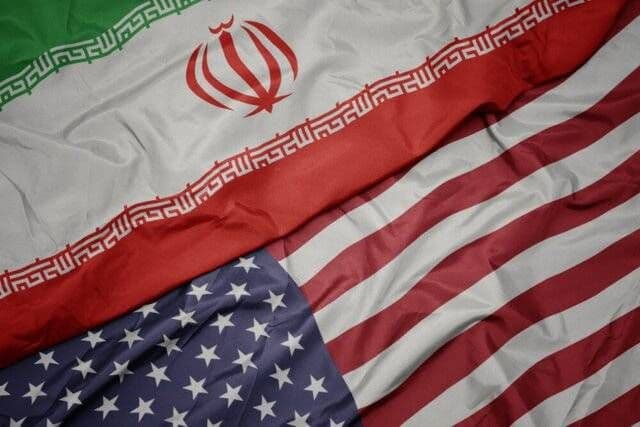
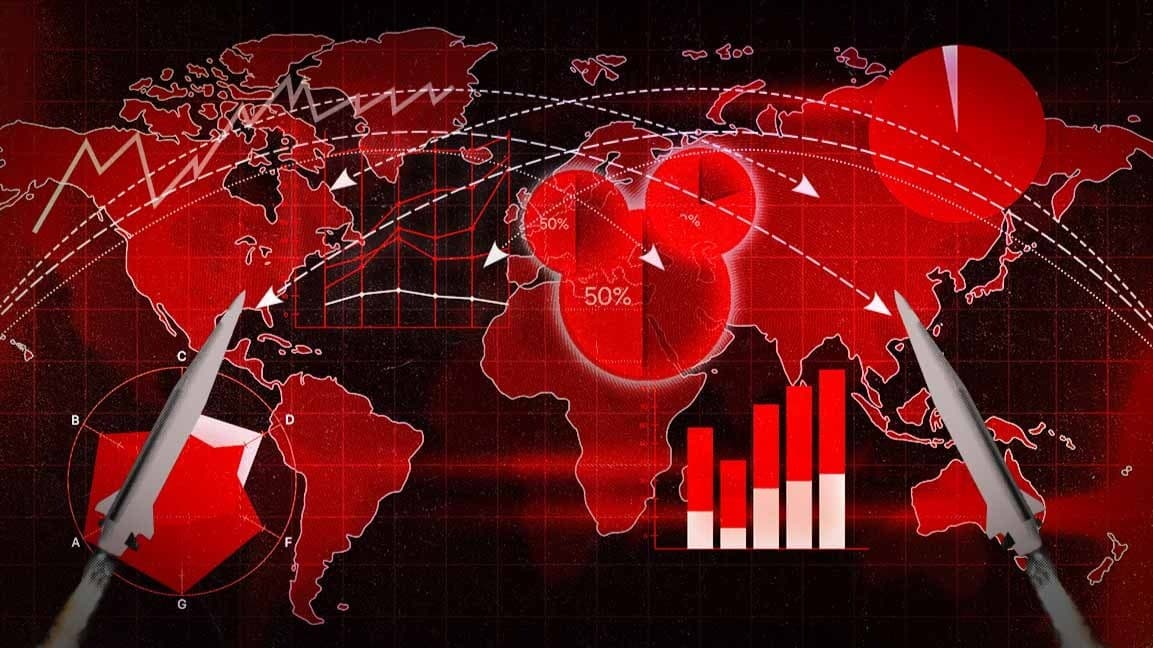
The Middle East in early 2026 has been dramatically reshaped by a rapid and severe military escalation. On February 28, a joint U.S.–Israeli operation, codenamed “Epic Fury,” struck Iranian nuclear facilities and key leadership targets, triggering a cascade of events that has transformed longstanding regional instability into a global economic and humanitarian crisis.
Geopolitical and Humanitarian Fallout
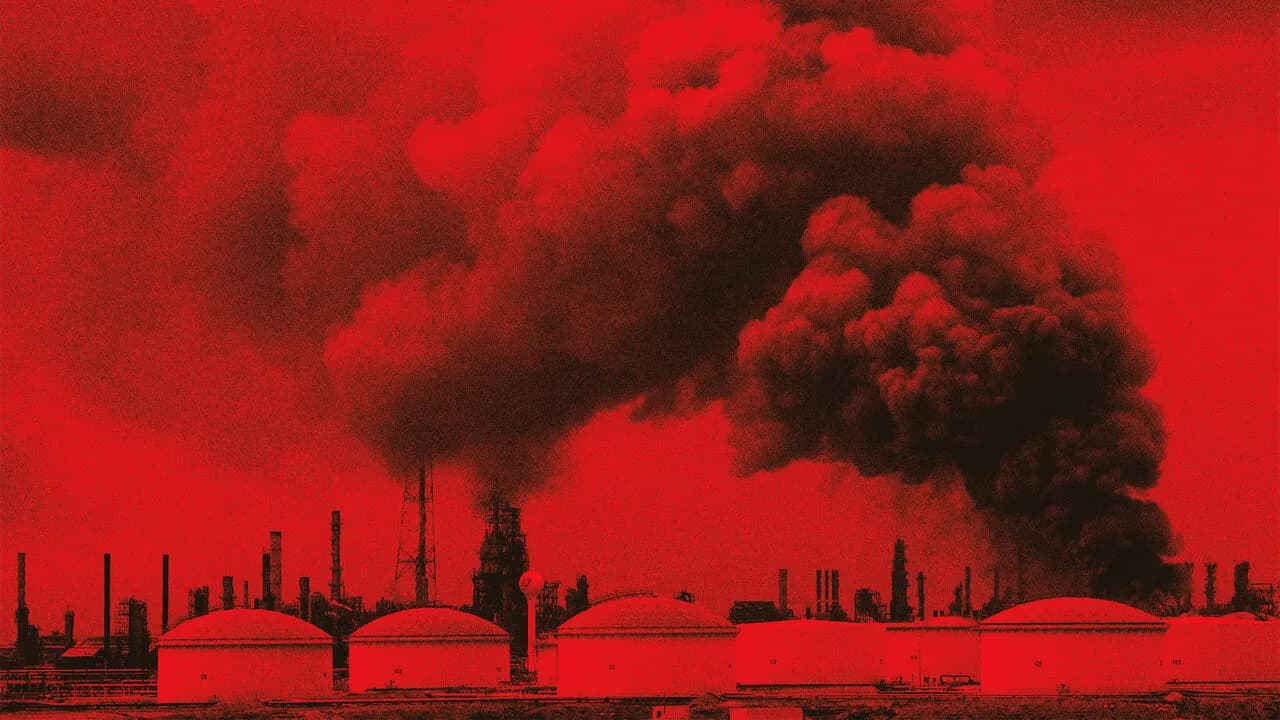
The operation resulted in the assassination of several high-ranking Iranian officials and the collapse of existing diplomatic frameworks. Iran retaliated swiftly, launching missile and drone strikes against U.S. bases and civilian infrastructure across the Gulf, including the UAE, Qatar, and Bahrain.
The humanitarian impact has been devastating. Beyond the casualties in Iran and Israel, hundreds of thousands have been displaced, and essential civilian infrastructure has been destroyed. Violence has surged in Gaza and Lebanon, where regional proxies responded to the upheaval in Tehran. International aid organizations warn of a growing “dehumanization” of the conflict, where military objectives consistently override civilian safety.
Global Economic Shocks
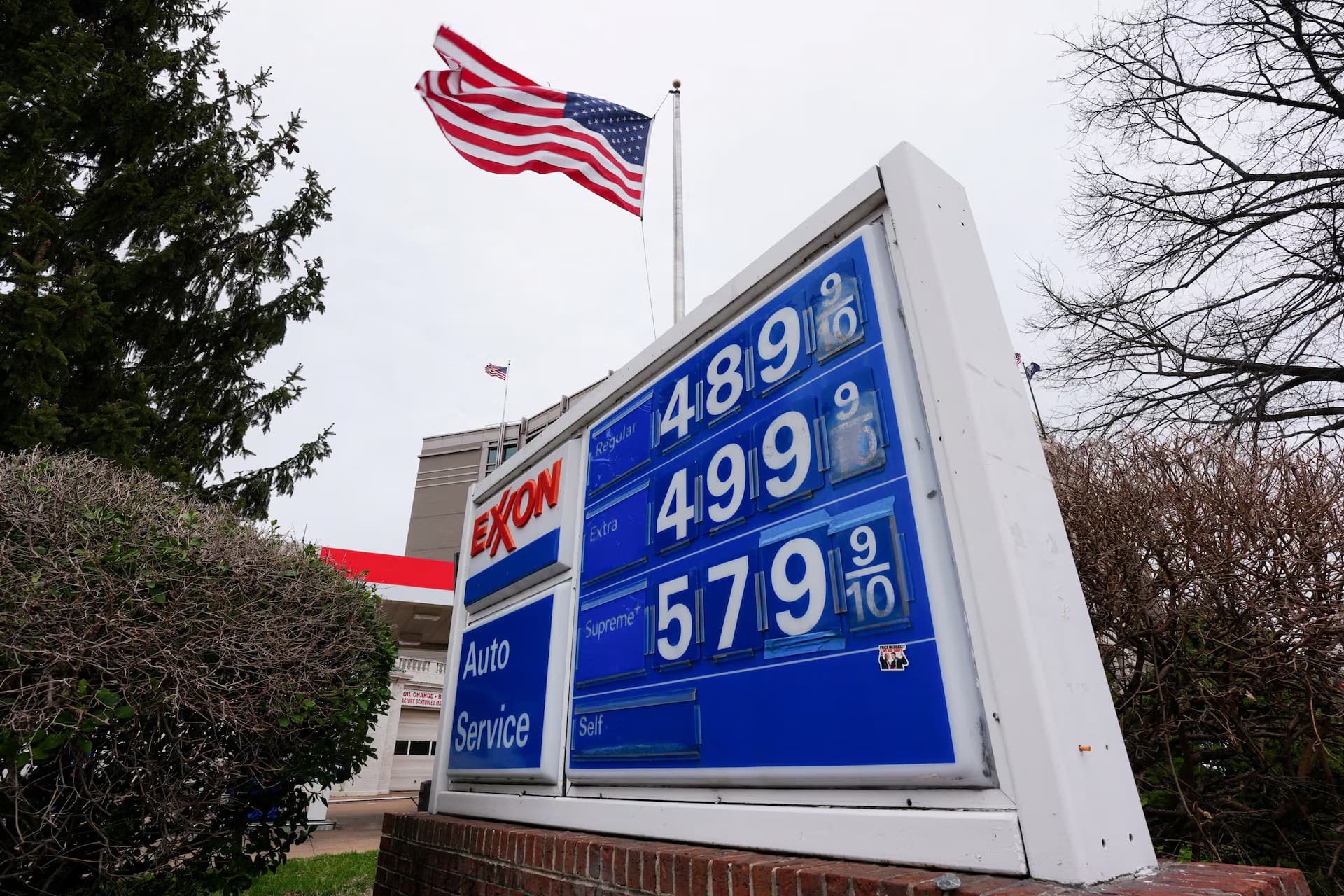
One of the most significant global consequences has been the disruption of the Strait of Hormuz, a key artery for the world’s oil and gas supply. This “oil supply shock” has forced central banks to reconsider monetary policies, as rising fuel and shipping costs threaten to reignite inflation. Meanwhile, Western military stockpiles are being redirected to the Middle East, causing delays in defensive support for other regions, including Ukraine.
Conclusion
By March 2026, the Middle East has shifted from a region of chronic tension to a fulcrum of systemic global risk. Direct military confrontation has replaced shadow warfare, creating a volatile environment that challenges energy security, international law, and global economic stability. The international community now faces the urgent task of balancing military strategy with humanitarian considerations, as the ripple effects of this crisis extend far beyond the region.