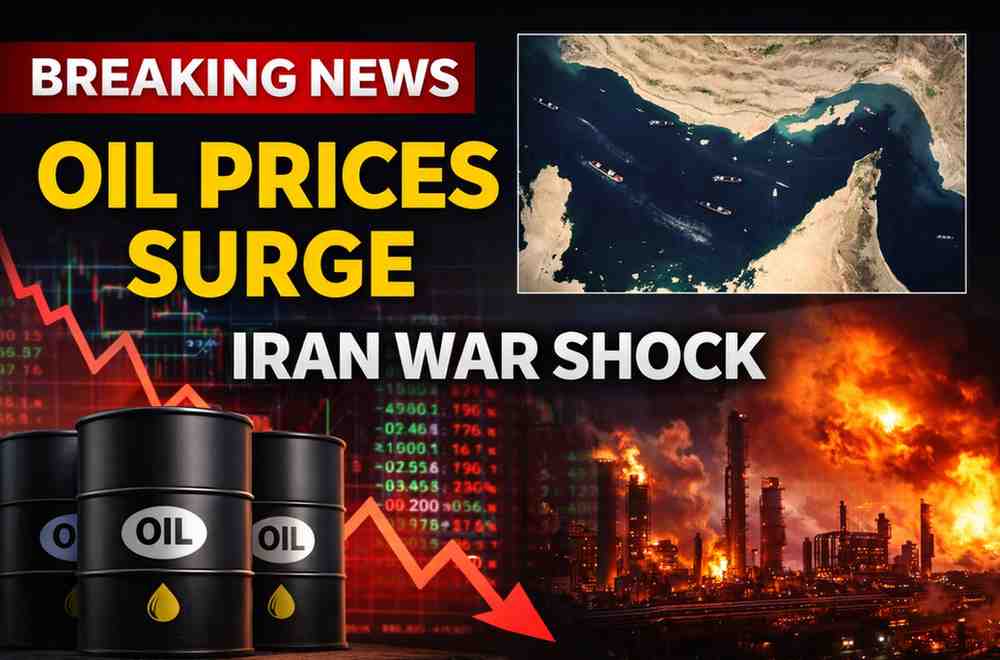
Global oil markets have been shaken after crude prices surged above $110 per barrel, following escalating tensions in the ongoing conflict involving the United States, Israel, and Iran. The sudden rise in oil prices has also triggered a sharp decline in stock markets across the Asia-Pacific region, increasing fears of a prolonged disruption to global energy supplies.
Oil Prices Jump as Strait of Hormuz Shipping Disrupted
Brent crude prices climbed nearly 24% to around $114.74 per barrel, while Nymex light sweet crude rose more than 26%, reaching similar levels during early Asian trading.
The surge comes amid growing concerns about disruptions in the Strait of Hormuz, one of the world's most critical oil shipping routes. Nearly 20% of the global oil supply normally passes through the narrow waterway, but tanker traffic has slowed dramatically since the conflict intensified.
Markets had initially remained relatively calm, but the latest wave of airstrikes targeting energy infrastructure in Iran over the weekend triggered panic among traders.
Global Stock Markets Fall Sharply
The spike in oil prices sent shockwaves through financial markets. Major stock indices across Asia experienced steep declines during morning trading:
Japan’s Nikkei 225 dropped more than 7%
Hong Kong’s Hang Seng fell over 3%
Australia’s ASX 200 slipped more than 4%
South Korea’s Kospi index plunged over 8%
The sell-off in South Korea was so severe that authorities triggered a 20-minute trading halt, known as a circuit breaker, to prevent panic selling.
Leadership Change in Iran Raises Concerns
Amid the growing conflict, Iran reportedly named Mojtaba Khamenei as the successor to Supreme Leader Ali Khamenei, signaling that hardline leadership will likely continue guiding the country during the crisis.
The move has further heightened uncertainty in global markets, with investors increasingly worried that the conflict could escalate into a prolonged regional crisis.
Risk of Oil Prices Reaching $150
Energy analysts warn that oil prices could climb even higher if shipping disruptions continue.
Experts say if the Strait of Hormuz remains blocked for several weeks, global oil prices could potentially surpass $150 per barrel, which would significantly impact fuel costs worldwide.
Economist Adnan Mazarei from the Peterson Institute for International Economics noted that the price surge was expected due to halted production and the increasing possibility of a long-term conflict.
According to Mazarei, markets are beginning to realize that the situation may not resolve quickly, which is fueling volatility across energy and financial markets.
Impact on Global Economy
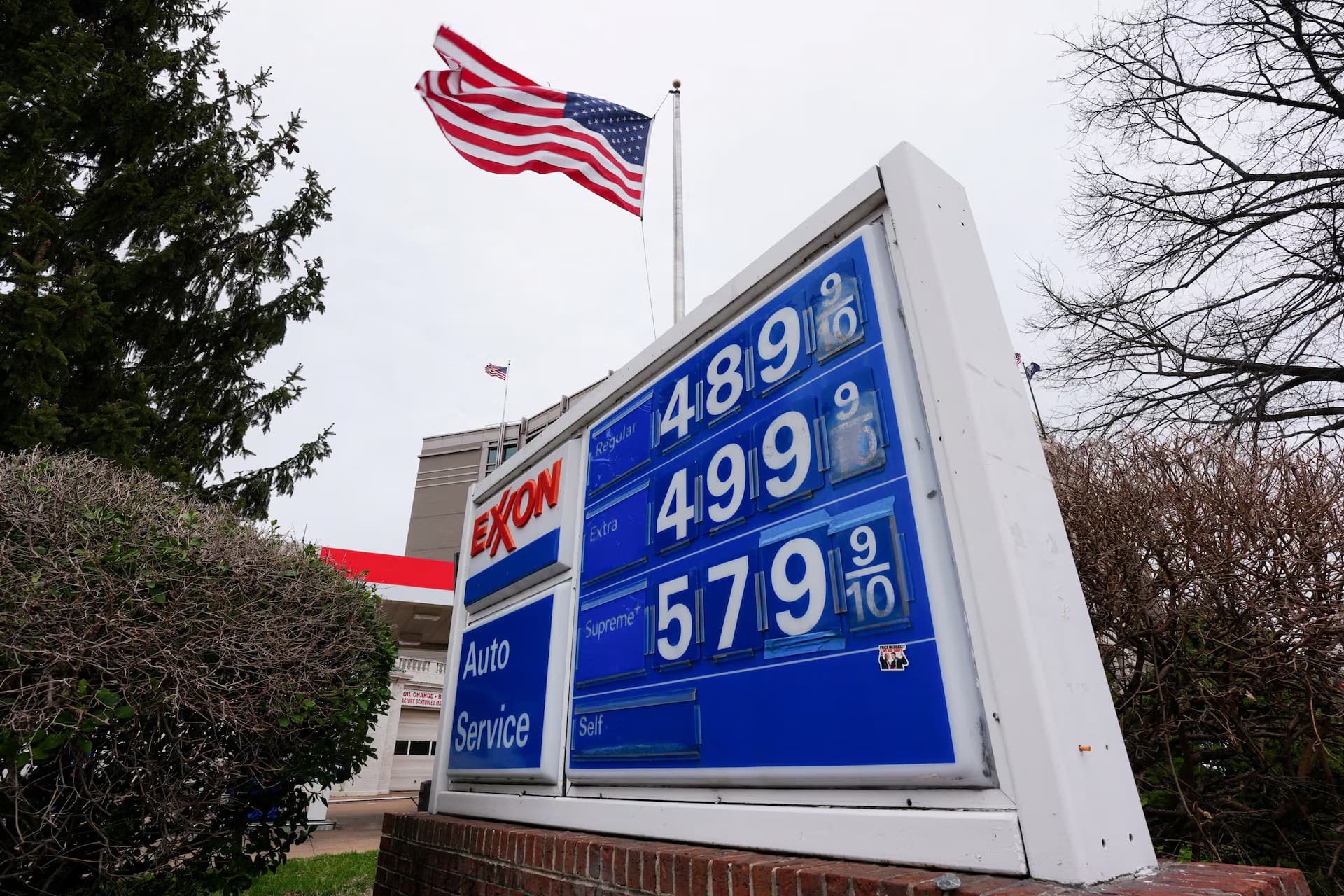
Higher oil prices could quickly translate into rising fuel costs, airline ticket prices, and increased transportation expenses. Industries relying heavily on petroleum products, including aviation and agriculture, may also see costs climb.
Asian economies, which depend heavily on energy imports from the Gulf region, could face particularly strong economic pressure if the disruption continues.
Meanwhile, reports suggest some Asian buyers have already begun bidding up prices for US natural gas shipments, diverting cargo originally intended for Europe.
US Response to Rising Oil Prices
US President Donald Trump addressed the market reaction, saying short-term increases in oil prices were a “small price to pay” if the conflict helps eliminate Iran’s nuclear threat.
However, concerns remain about how rising global oil prices could affect domestic fuel costs and economic stability worldwide.